Why study in Georgia?
Georgia sits between Europe and Asia, with the Black Sea on its west coast. For international students it combines four things that rarely come together: degrees taught in English, a European-style credit system (ECTS), lower tuition than the UK, US or Australia, and living costs that most families can plan around.
- English-taught degrees. 6 universities in our guide run at least one programme entirely in English, mostly in medicine and dentistry, with business, IT, nursing, pharmacy and economics also available.
- Published, moderate tuition. Annual tuition for English programmes starts at US$3,000. The six-year MD runs from US$5,900 to US$8,000 a year at universities that publish a fee.
- Short Bachelor's degrees. Several business and IT Bachelor's programmes take three years (180 ECTS) rather than four.
- No national entrance exams for foreign applicants. If you finished school abroad you are admitted through the university process, not Georgia's Unified National Exams.
- Compact and easy to travel. Tbilisi, Batumi and Kutaisi each have an international airport or strong connections, and the country is small enough to explore on weekends.
Georgia is not the right answer for everyone. The biggest risk is not Georgia itself but whether your own country will recognise the degree for the career you want. We cover that honestly in Is Georgia right for you? and in our MBBS in Georgia guide.
Georgia at a glance
| Location | South Caucasus, between Europe and Asia, on the Black Sea |
| Capital | Tbilisi |
| Official language | Georgian. English is the language of instruction on international programmes. |
| Currency | Georgian lari (GEL). Check the live rate against the US dollar before budgeting. |
| Time zone | UTC+4 all year, with no daylight saving. |
| Degree structure | Bachelor's 3-4 years, Master's 2 years, MD 6 years (360 ECTS), dental medicine 5 years (300 ECTS) |
| Tuition (English programmes) | From US$3,000 a year; MD US$5,900-US$8,000 where published |
| Quality authority | National Center for Educational Quality Enhancement (NCEQE) |
A quick note on the name: this guide is about Georgia the country. If you landed here looking for the US state of Georgia, you want a different set of universities and visas.
Universities to consider in Georgia
We advise on 6 universities that teach in English, starting with Caucasus International University (CIU), Caucasus University (CU) and New Vision University (NVU). Each university below has its own page covering courses, fees, admission, campus infrastructure and student life. They differ a lot in size, price, accreditation status and clinical training, so read more than one, or see CIU vs CU vs NVU side by side.
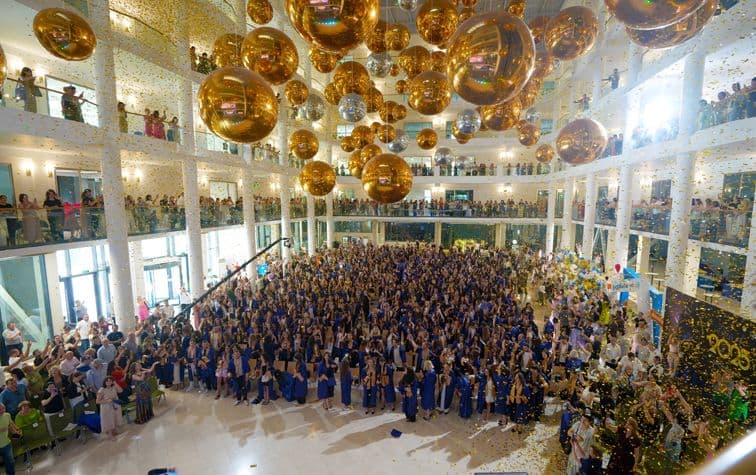
Tbilisi · Private
Georgian National University SEU
A large private Tbilisi university with English medicine, dentistry, nursing, business and IT.

Tbilisi · Private
Caucasus International University
A Tbilisi private university with a clinical skills centre, dental clinics and published English fees.
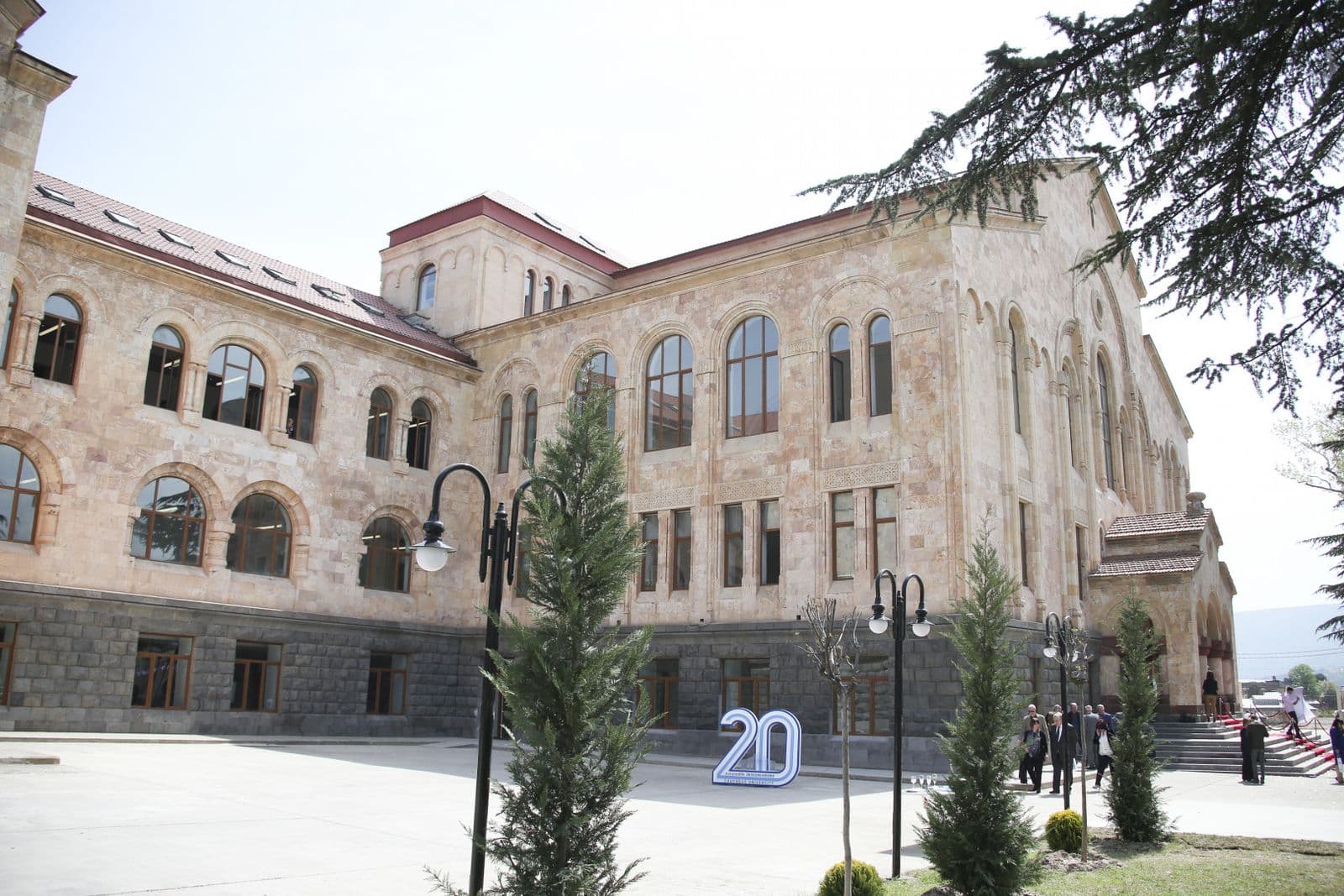
Tbilisi · Private
Caucasus University
A private Tbilisi university in a historic 1909 building, with an English MD and business, IT and design degrees.
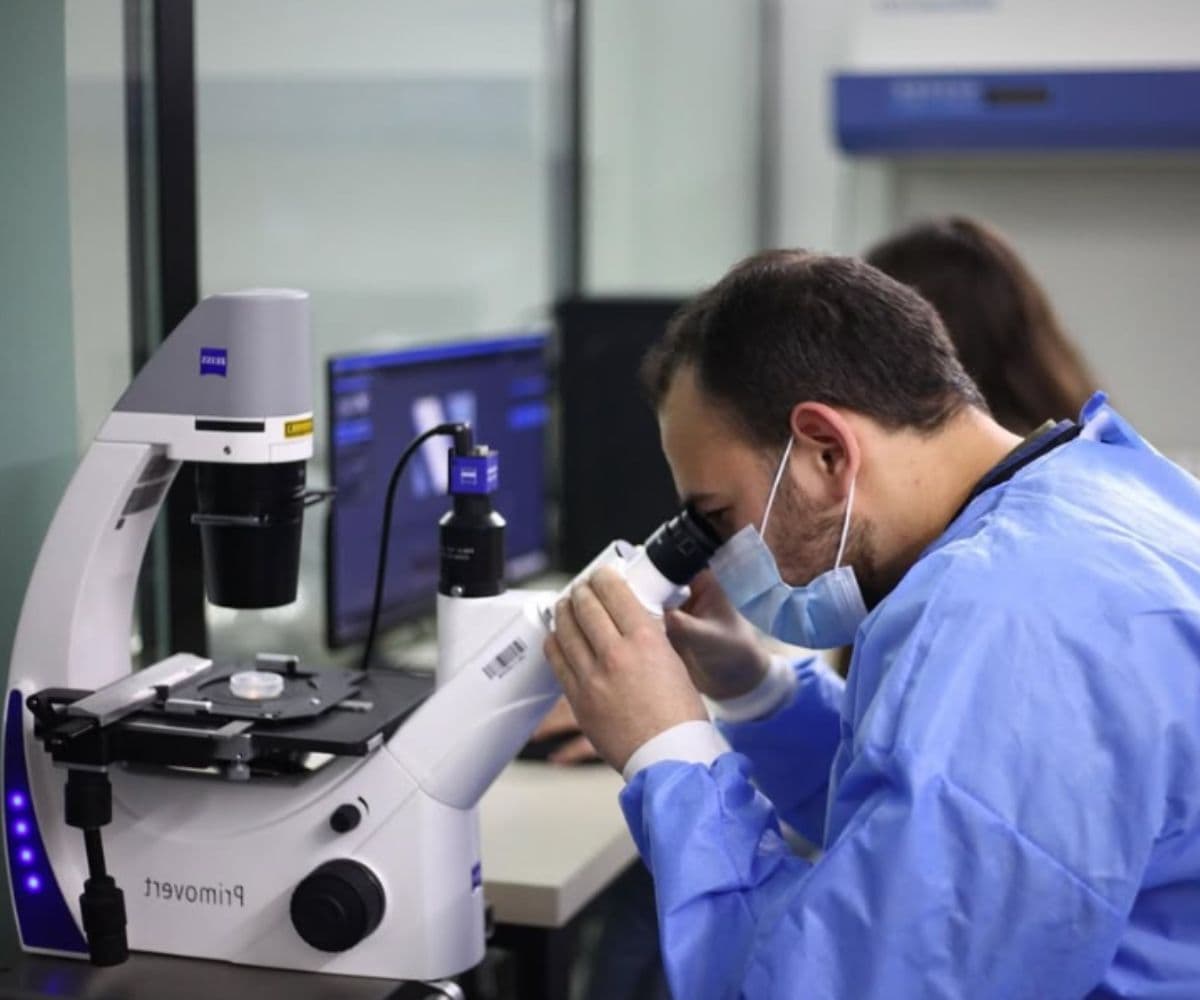
Tbilisi · Private
New Vision University
A private non-profit Tbilisi university with a university hospital and English MD, dentistry and health programmes.
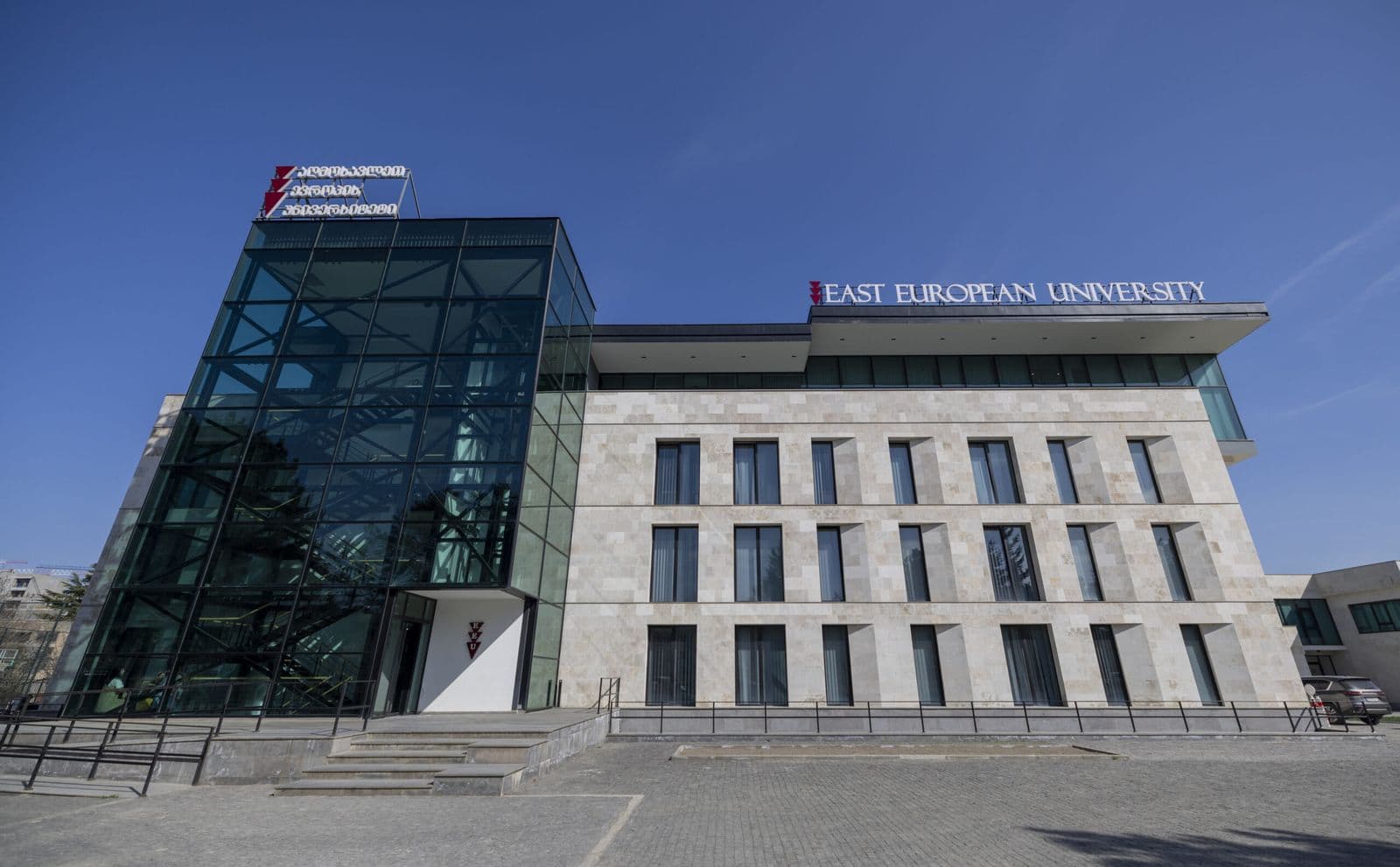
Tbilisi · Private
East European University
A private Tbilisi university with an English MD, nursing and business degrees, a clinical skills centre and a university hospital.
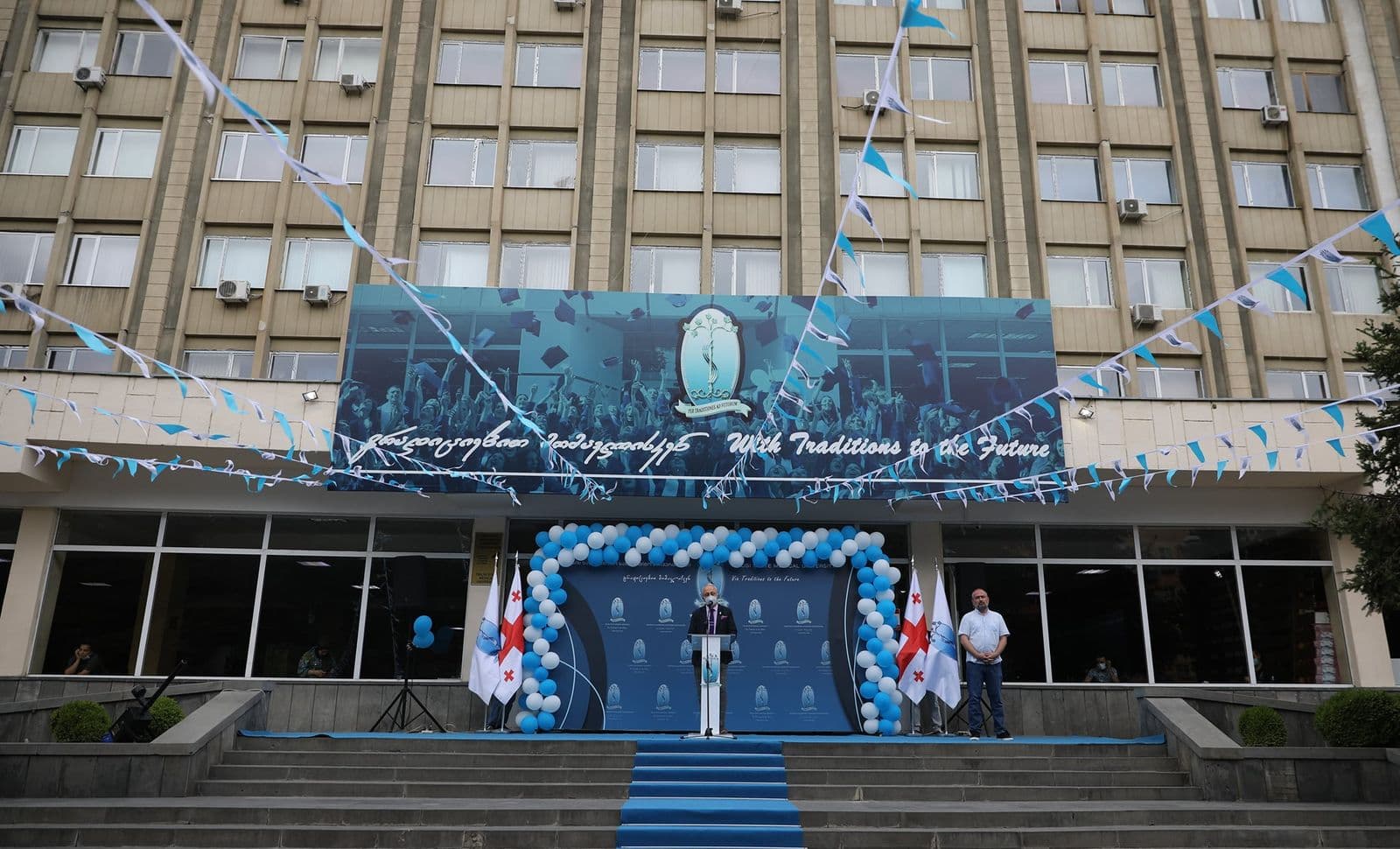
Tbilisi · Public
Tbilisi State Medical University
A century-old public medical university with English-taught medicine, dentistry and pharmacy.
Want them side by side? Compare universities in Georgia.
Popular courses in Georgia
Medicine (MD) and dentistry (DMD)
Medicine is the main reason most international students come. The MD is a six-year, one-cycle programme of 360 ECTS, and dental medicine is five years and 300 ECTS. Several universities teach both in English. Options include Caucasus International University, Caucasus University, New Vision University, East European University and SEU. Also see Tbilisi State Medical University, and read our MBBS in Georgia guide before choosing.
Business, IT and economics
Caucasus University lists English Bachelor's programmes in Business Administration, Computer Science and AI, Cybersecurity, Architecture and Graphic Design, plus an MBA and IT Management. New Vision University offers Business Administration and Political Science, and SEU and CIU offer business and IT Bachelor's programmes.
Nursing and pharmacy
SEU, CIU, NVU and EEU list English-taught nursing Bachelor's programmes. NVU and Tbilisi State Medical University offer a four-year Pharmacy Bachelor's. Check duration, fees and recognition for your own country.
What does it cost to study in Georgia?
Plan for tuition plus living costs plus a set of one-off costs. Published tuition for English programmes starts at US$3,000 a year, and the MD runs from US$5,900 to US$8,000 a year where a fee is published. Living costs depend heavily on city and housing, with published estimates from about US$300 to US$840 a month. Our cost of studying in Georgia guide breaks it all down with total programme costs.
Admission and student visa
To apply, contact us. You do not apply to the university yourself: we handle the application. The university holds an interview or English test, your school documents are translated and notarised, and your education is recognised by NCEQE. The university then receives a ministry order, you pay tuition as instructed, we prepare your D3 student visa file and, after arriving, you apply for a study residence permit.
Where to live: Tbilisi, Batumi or Kutaisi
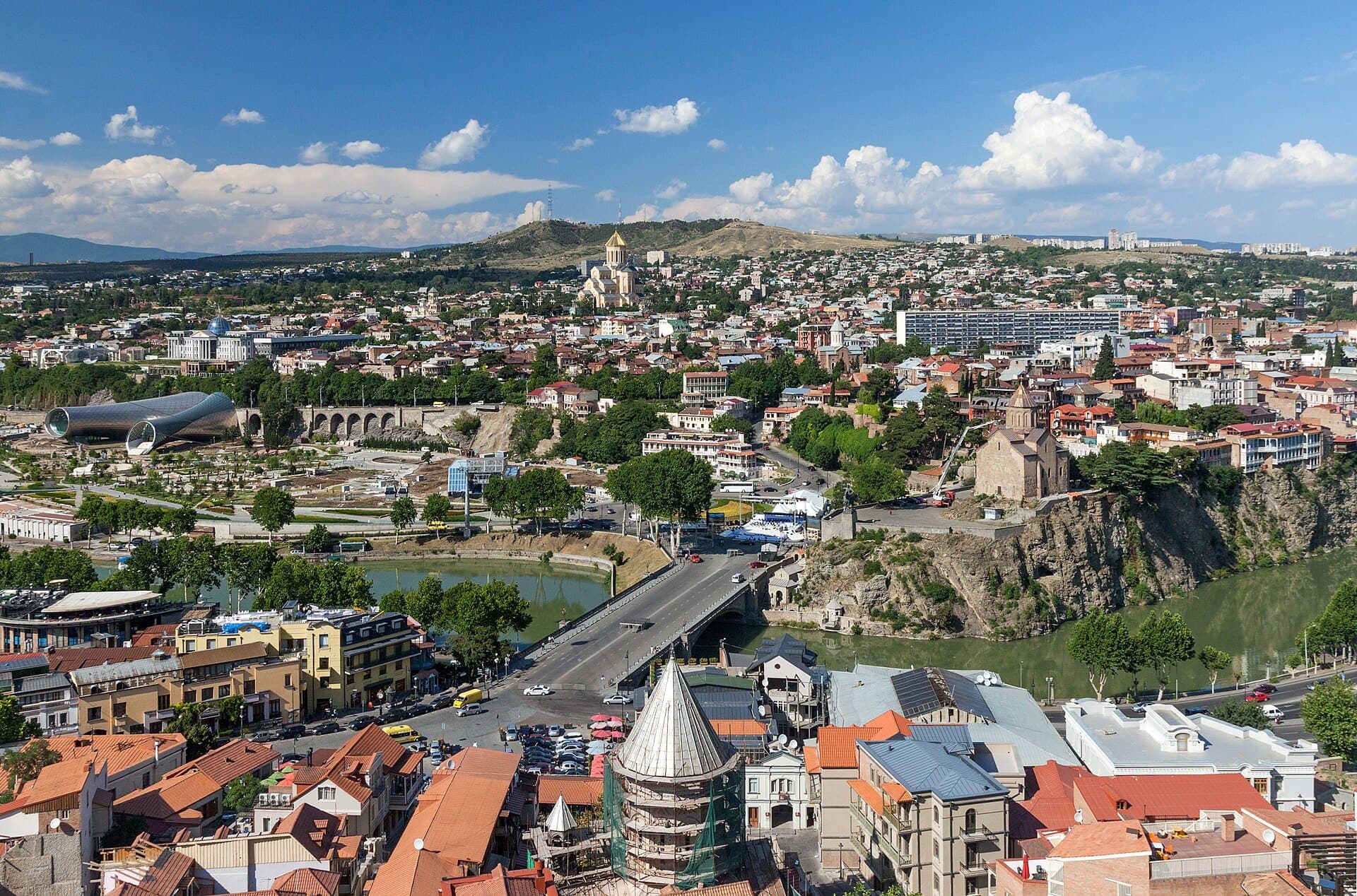
Tbilisi. Tbilisi is Georgia's capital and by far its largest city, with over a million residents. Most of the country's English-taught medical, dental and business programmes are based here, so it has the biggest international student community, the widest choice of housing and the best-connected hospitals.
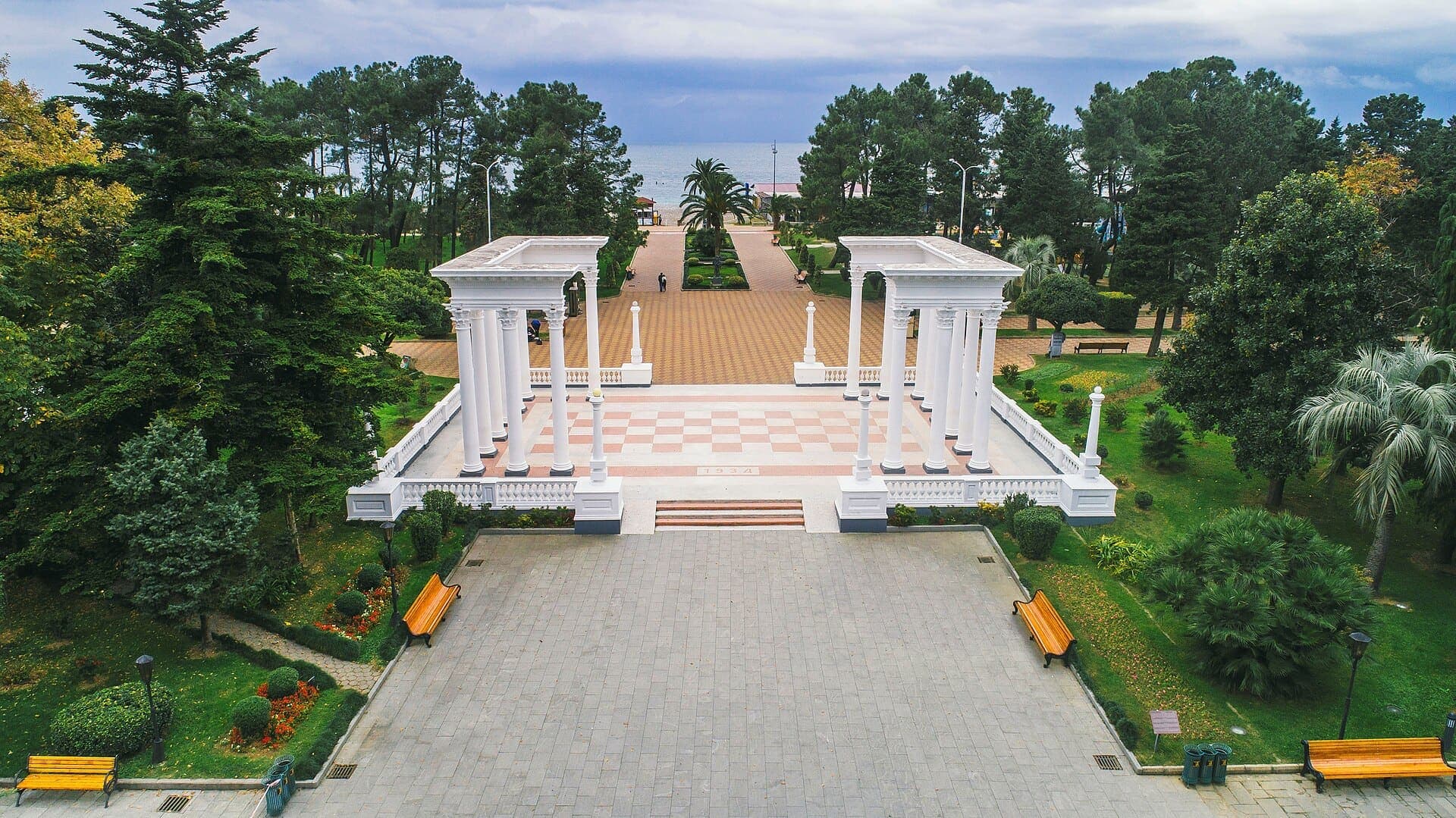
Batumi. Batumi is the capital of the Adjara region on Georgia's Black Sea coast. It is a compact, walkable city built around a seafront boulevard, with a subtropical climate, a lively summer season and a smaller, calmer student community than Tbilisi.
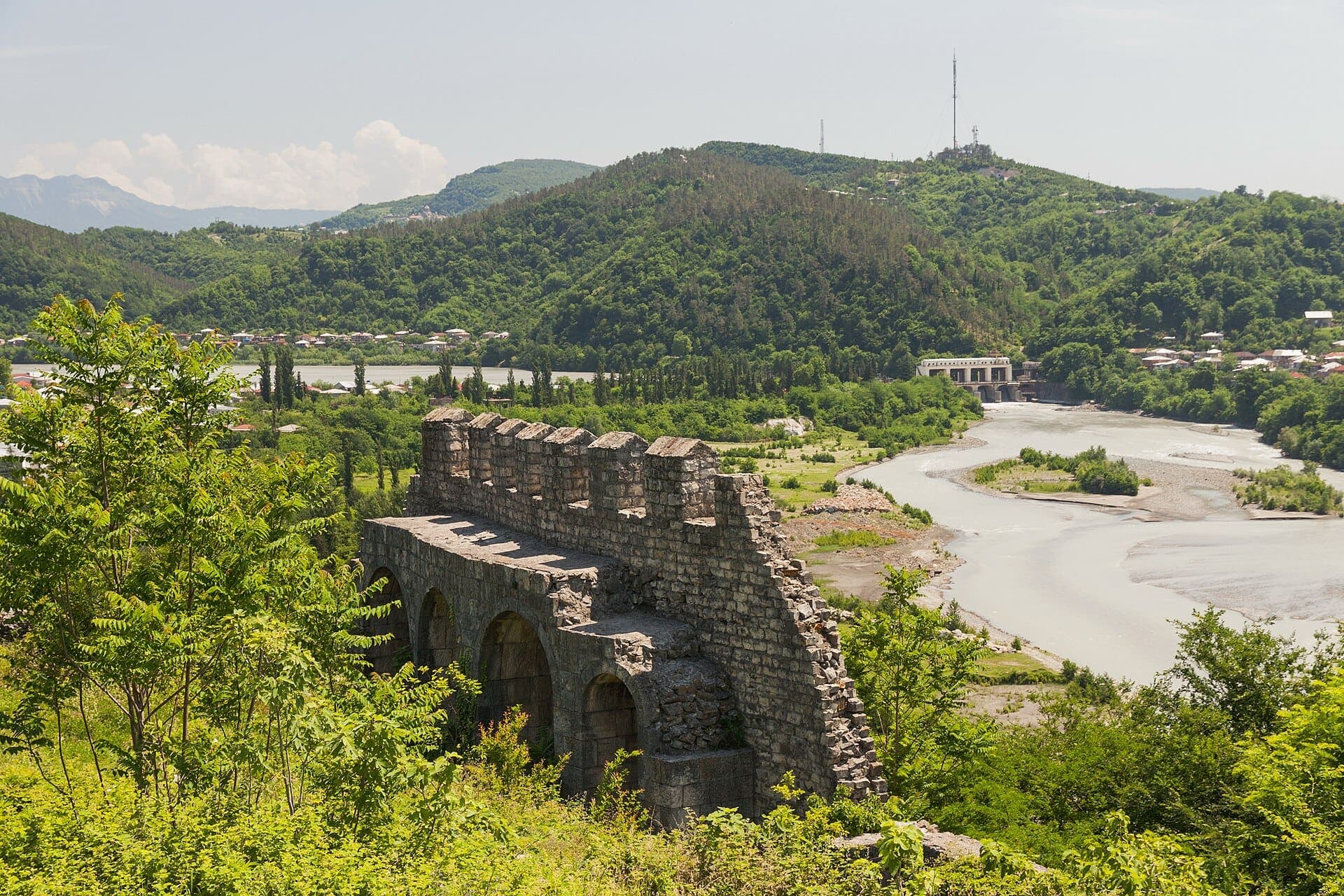
Kutaisi. Kutaisi is Georgia's third-largest city and the capital of the Imereti region in the west of the country. It is among the cheapest places to study in Georgia, has its own international airport served by low-cost airlines, and sits close to Gelati Monastery, a UNESCO World Heritage Site.
More detail in our student life in Georgia guide.
Is Georgia right for you?
Georgia works well if…
- You want an English-taught degree at a moderate price and are happy to live abroad for several years.
- Your home regulator has confirmed in writing that the specific Georgian programme qualifies you for your career.
- You are comfortable managing your own accommodation, budgeting in a foreign currency and a smaller job market.
Think twice if…
- Nobody can show you your regulator's current rules for Georgian degrees. For medicine, rules in many countries have tightened and change often.
- You expect to find work in Georgia after graduating. The local job market is small and mostly Georgian-speaking.
- An agent promises a guaranteed seat, a guaranteed licence or fees that do not match the university's published figures.
We would rather lose an enquiry than place a student on the wrong path. If you are unsure, talk to a counsellor and bring your marks, budget and the country where you want to work.