Three cities compared
| Tbilisi | Batumi | Kutaisi | |
|---|---|---|---|
| Universities in our guide | 6 | 0 | 0 |
| Best for | Widest choice, hospitals, international community | Sea, calm pace, outdoors | Lowest costs, quiet, heritage |
| Climate | Hot summers, cold winters | Mild, humid, wet | Mild, humid, rainy |
| Cost | Highest | Medium; rents rise in summer | Lowest |
Student life in Tbilisi
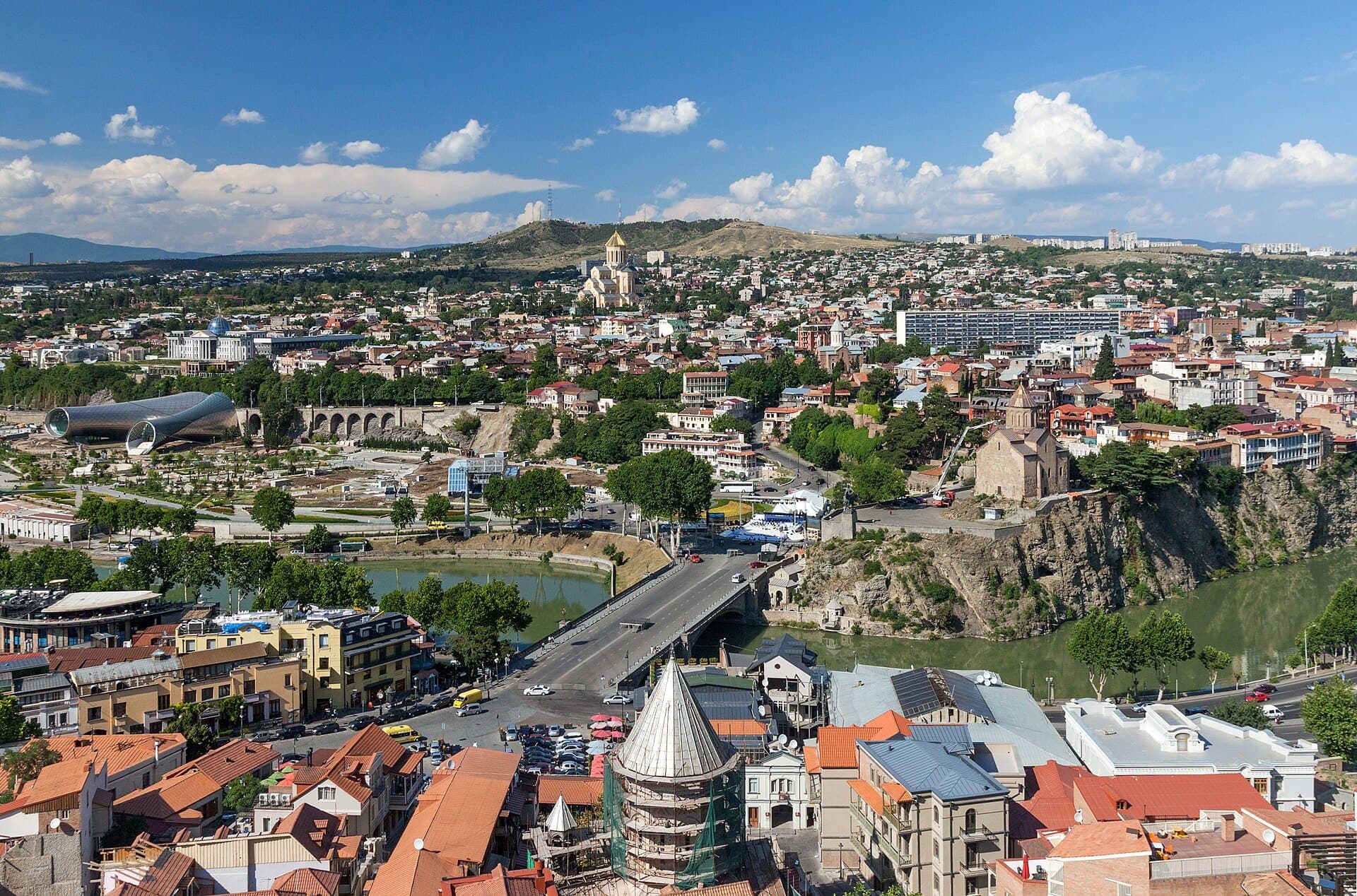
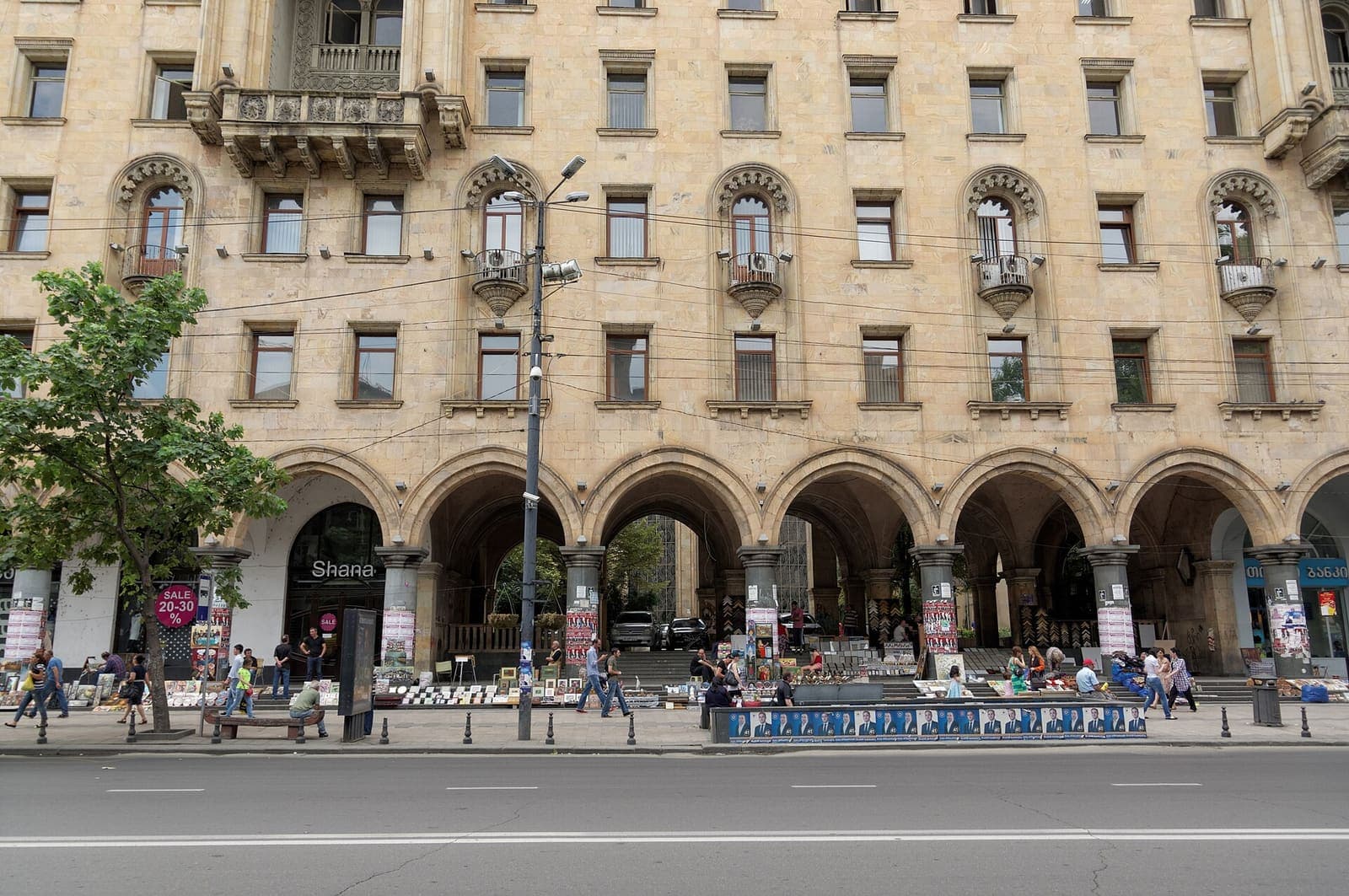
Tbilisi is Georgia's capital and by far its largest city, with over a million residents. Most of the country's English-taught medical, dental and business programmes are based here, so it has the biggest international student community, the widest choice of housing and the best-connected hospitals.
- Getting around
- A two-line metro, buses and shared minibuses cover most of the city. A single ride costs about 1 lari and a monthly pass is typically 40-50 lari, so most students never need a car. Ride-hailing apps such as Bolt and Yandex Go are widely used for late-night trips.
- Climate
- Hot summers, cold winters with occasional snow, and mild spring and autumn. Student housing is centrally heated or gas-heated, so pack a proper winter coat rather than thermal layers.
- Food and daily costs
- Georgian staples such as khachapuri, khinkali and lobio are inexpensive, and supermarkets and open-air markets sell everyday groceries cheaply. Vegetarian options are easy to find because fasting traditions mean most restaurants offer meat-free dishes. South Asian restaurants and grocers have opened in the city.
- Safety and community
- Georgia is widely regarded as a safe country for students, with the usual city precautions applying at night and in crowded places. Tbilisi has a large international student community, which makes settling in much easier in the first semester.
Universities in Tbilisi: Georgian National University SEU, Caucasus International University, Caucasus University, New Vision University, East European University, Tbilisi State Medical University.
Student life in Batumi
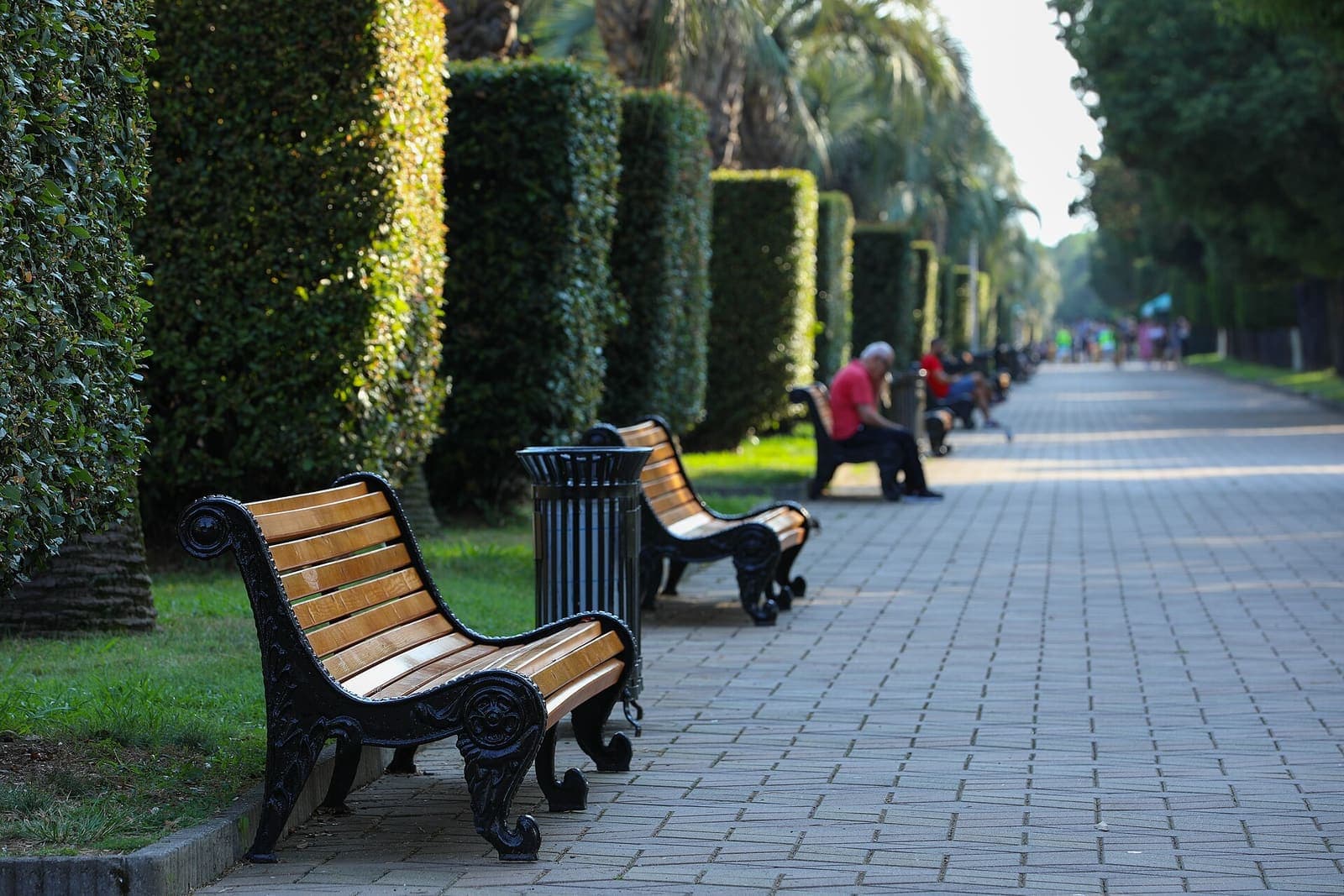
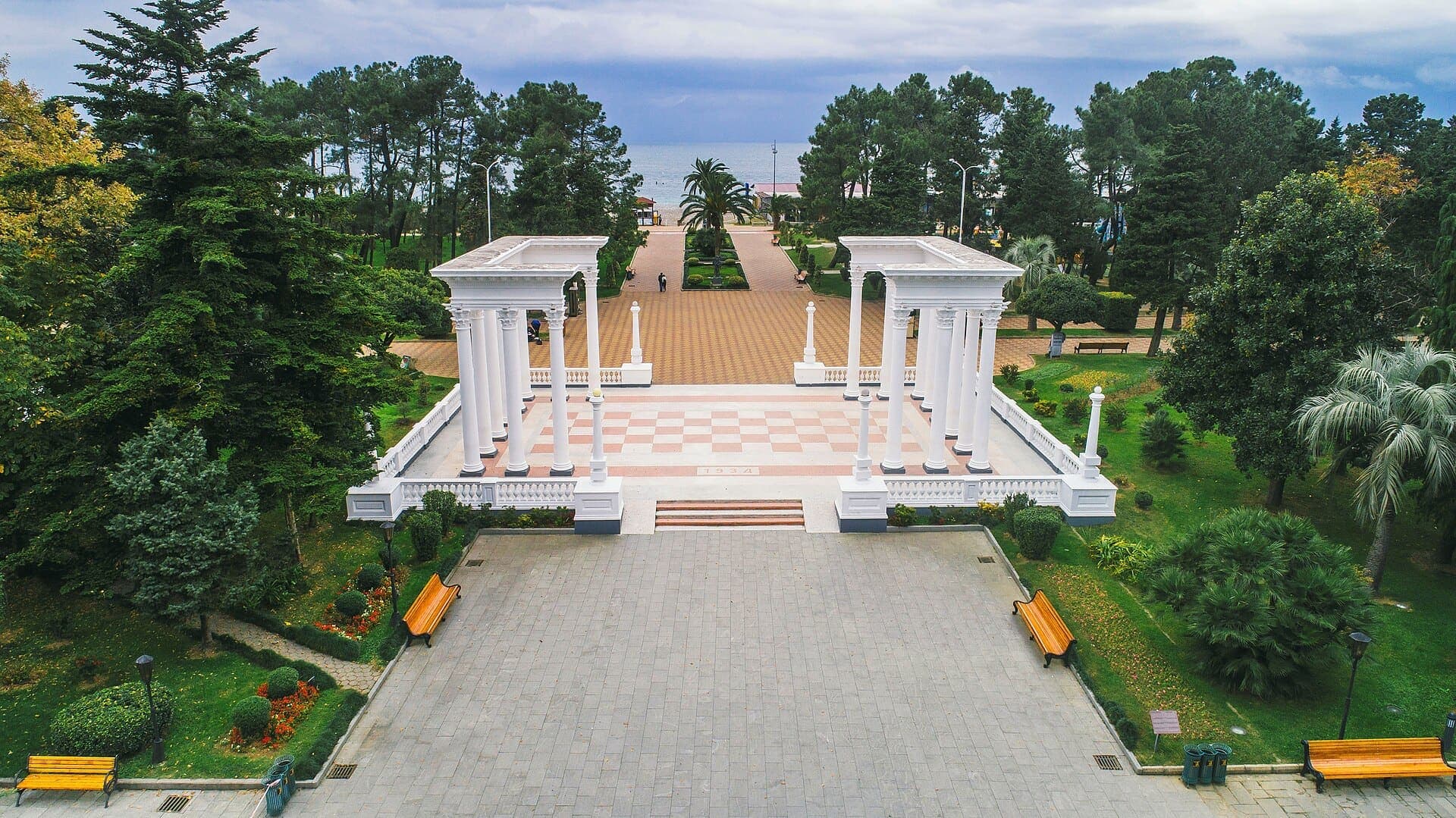
Batumi is the capital of the Adjara region on Georgia's Black Sea coast. It is a compact, walkable city built around a seafront boulevard, with a subtropical climate, a lively summer season and a smaller, calmer student community than Tbilisi.
- Getting around
- The city is small enough to cross on foot or by a short bus ride, and the seafront boulevard runs for kilometres. Batumi has its own international airport, and buses and trains connect it to Tbilisi.
- Climate
- Mild, humid and wet, with warm summers and gentle winters compared with Tbilisi. Rain is common through much of the year, so a waterproof jacket is more useful than heavy winter clothing.
- Seasonal costs
- Batumi fills with holidaymakers in summer, and short-term rents rise accordingly. Students who secure university accommodation or a long-term lease before the season starts avoid most of that swing.
- Student life
- A pebble beach, city parks, a botanical garden and a busy cafe scene are all within easy reach of the centre, which suits students who prefer a quieter city with the outdoors close by.
Student life in Kutaisi
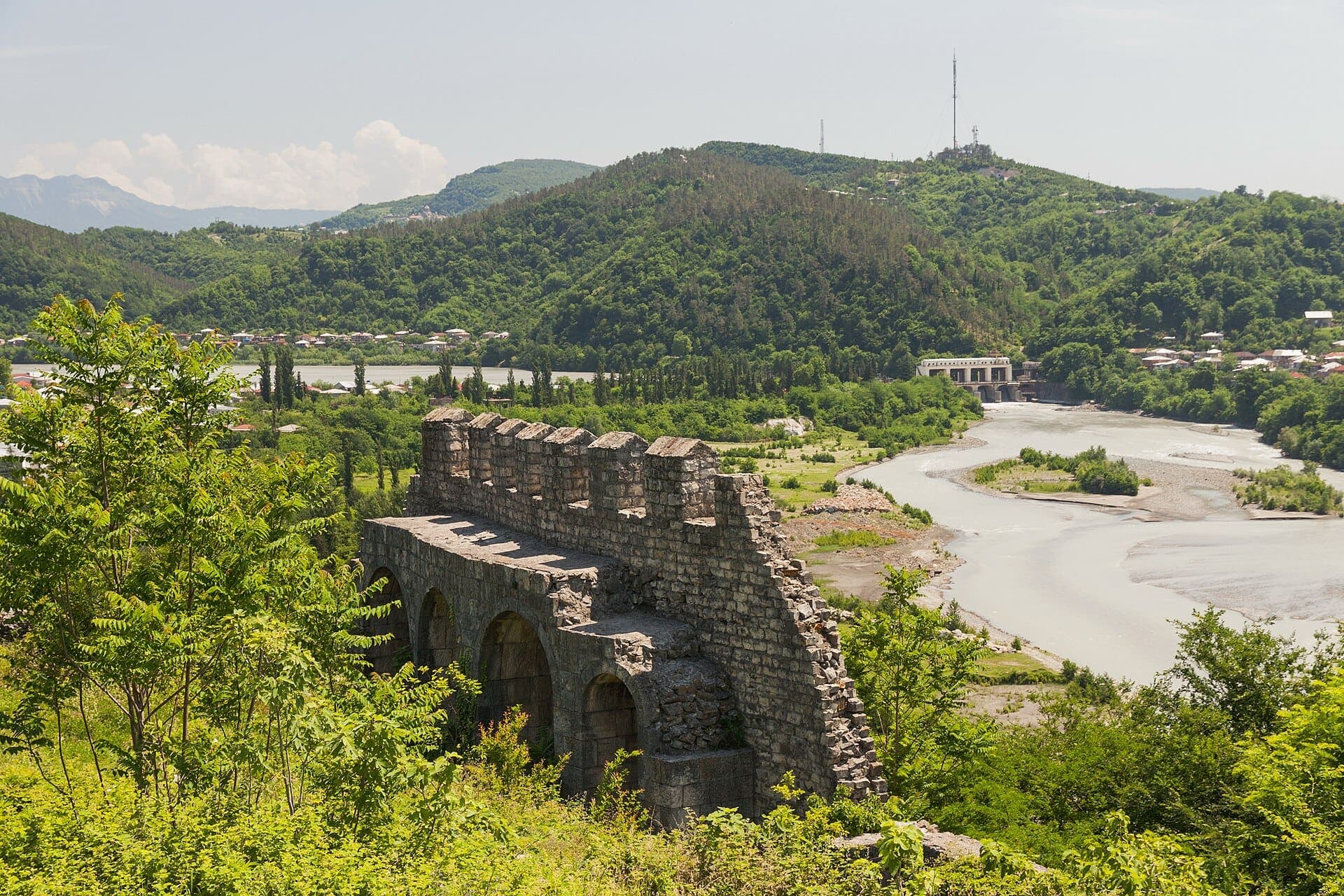
Kutaisi is Georgia's third-largest city and the capital of the Imereti region in the west of the country. It is among the cheapest places to study in Georgia, has its own international airport served by low-cost airlines, and sits close to Gelati Monastery, a UNESCO World Heritage Site.
- Getting around
- Kutaisi is easy to navigate on foot and by minibus. It is roughly three to four hours from Tbilisi by road, and the international airport gives students direct low-cost flights to a number of European cities.
- Climate
- Humid and mild, with more rain than Tbilisi and winters that are cooler than the coast. Spring and early autumn are the most comfortable seasons.
- Cost of living
- Rents, food and transport are lower than in Tbilisi or Batumi, which is the main reason many students choose Kutaisi. The trade-off is a smaller international community and fewer specialist services.
- Student life
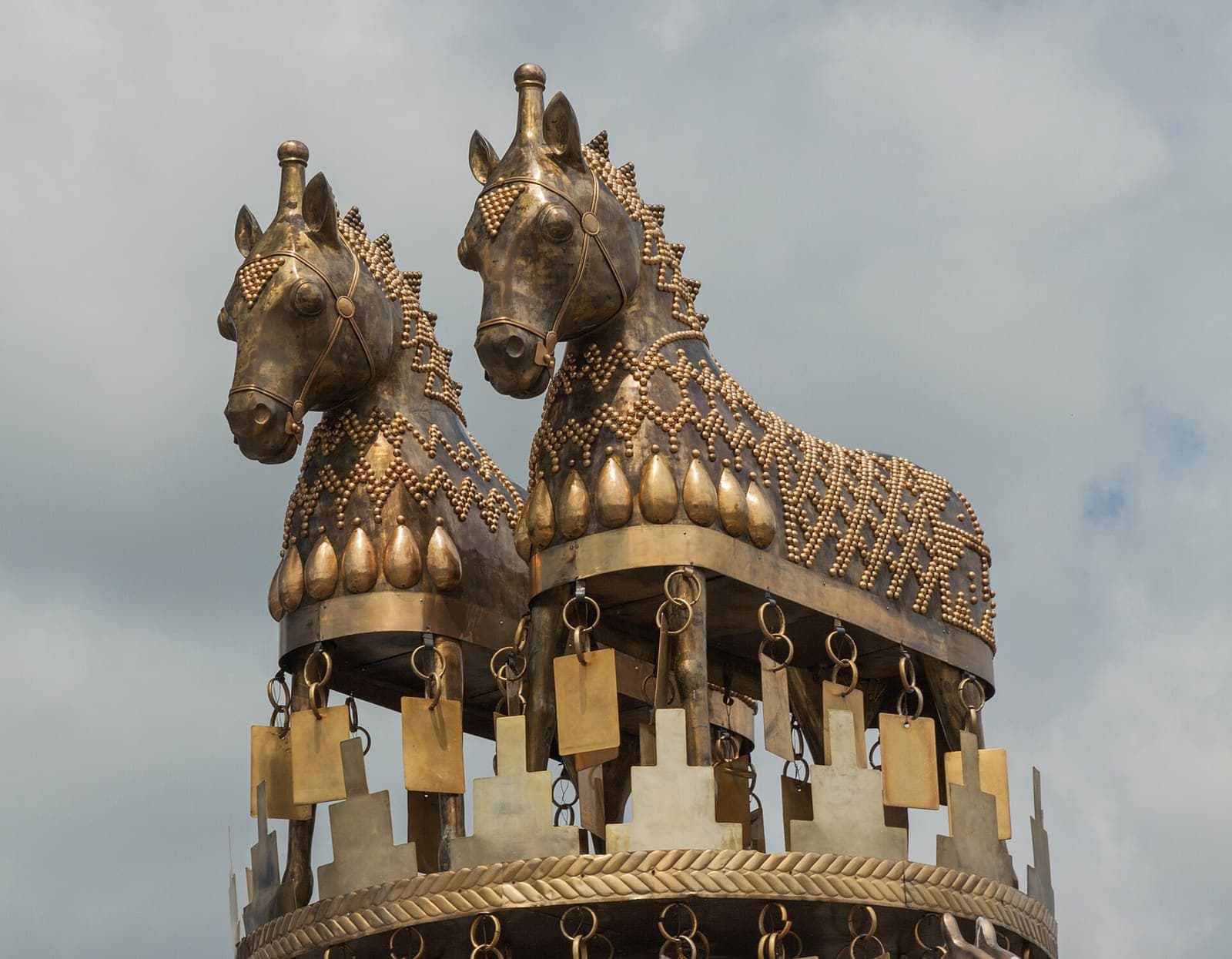
- A central square with a well-known fountain, the Rioni river, Bagrati Cathedral and nearby canyons and caves give students plenty to do at weekends without leaving the region.
Housing by university
Dormitory availability is the single most variable part of student life. This is what each university publishes; always get your own arrangement confirmed in writing.
| University | Housing |
|---|---|
| SEU | No open dormitory reported by third parties; students rent privately. |
| CIU | Dormitory announced but not confirmed on official pages; students rent privately. |
| CU | No dormitory advertised; the International Relations office helps students find housing. |
| NVU | No dormitory confirmed on official pages; students rent privately. Confirm in writing. |
| EEU | Shared flats near campus, about US$80 to US$100 a month per EEU, plus airport pickup. |
| TSMU | Confirm dormitory availability in writing; many students share apartments in Saburtalo. |
Everyday basics
- Language. Georgian is the official language. English is used in universities and by many young people, and older residents may speak Russian. Learn some Georgian: it is warmly appreciated.
- Currency. Georgian lari. Check the live rate against the dollar, because budgets are usually planned in dollars and spent in lari.
- Time zone. UTC+4 year-round, with no daylight saving, so it is easy to plan calls home.
- Food. Khachapuri, khinkali and lobio are cheap staples, supermarkets and markets are inexpensive, vegetarian options are common, and South Asian restaurants and grocers have opened in Tbilisi and Batumi.
- Healthcare. Health insurance is required for your visa and stay, so arrange cover before you travel and check what it covers for students.
- Getting there. Most students connect through a Gulf hub or Istanbul. Tbilisi, Batumi and Kutaisi each have an international airport.
Ready to compare costs? See the cost guide, or talk to a counsellor about which city fits you.