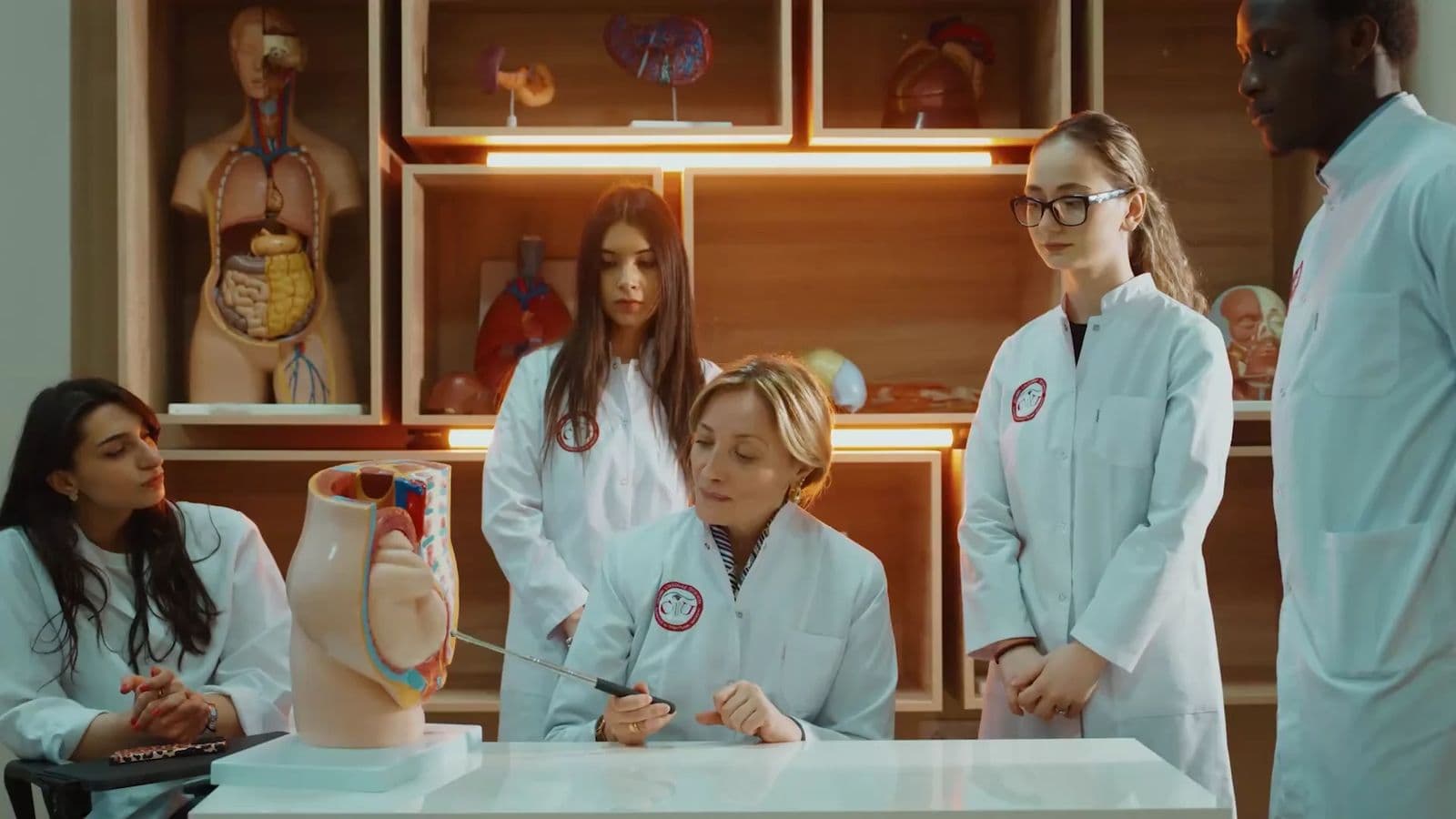
Tbilisi · Private
Caucasus International University
A Tbilisi private university with a clinical skills centre, dental clinics and published English fees.
MedicineDentistryTechnologyBusinessSocial sciences
From US$3,000 / yearView details
Tbilisi · Private university
A private Tbilisi university in a historic 1909 building, with an English MD and business, IT and design degrees.
Established in 2004 on the base of the Caucasus School of Business, which opened in 1998. 1 Paata Saakadze Street, Tbilisi 0102, Georgia.
Overview
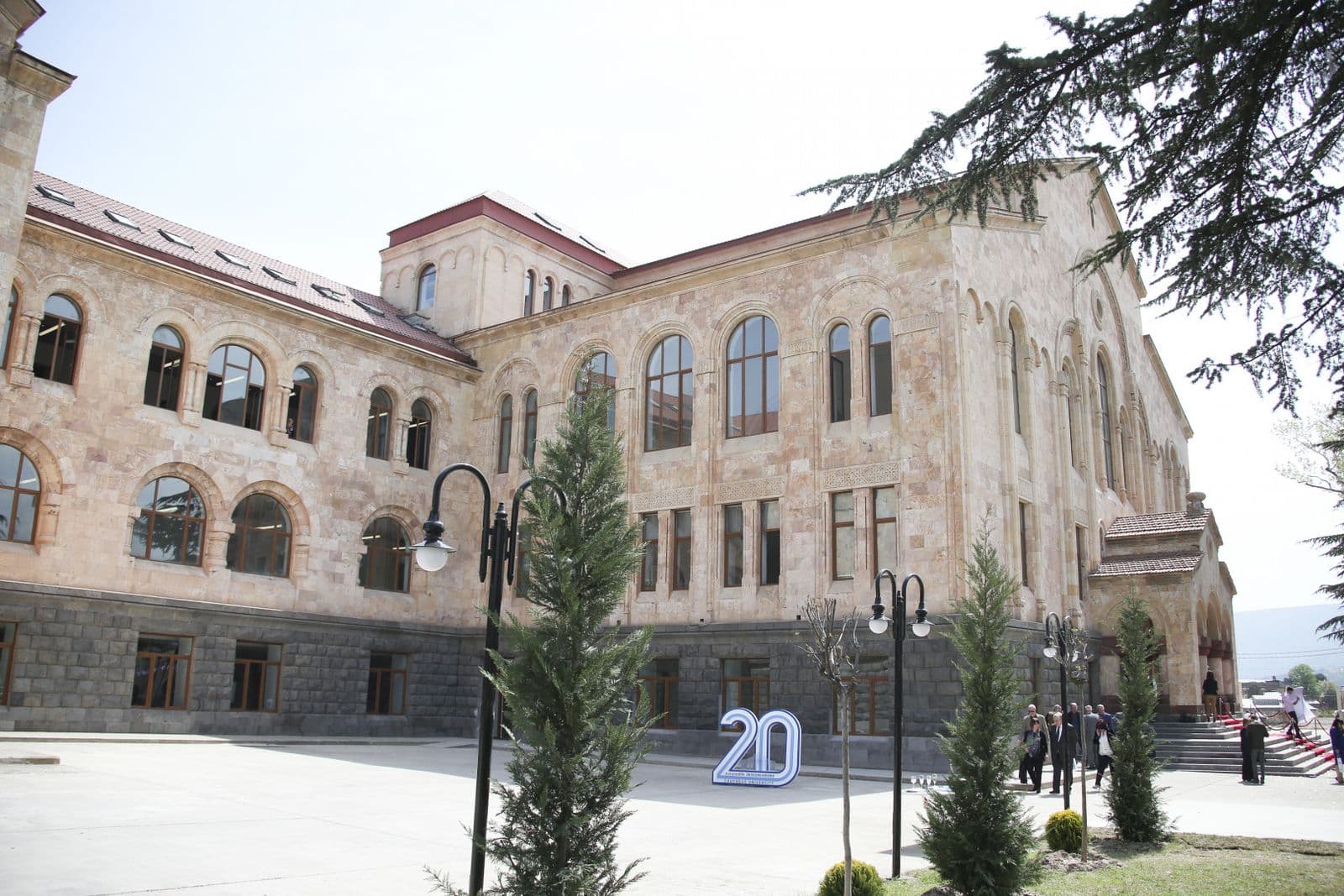
Caucasus University (CU) is a private university at 1 Paata Saakadze Street in Tbilisi. It was established in 2004 on the base of the Caucasus School of Business, which opened in 1998 with a US government grant and Georgia State University as its partner. CU now has eleven schools and says it teaches up to 10,000 students.
For international students, CU's English offer is a six-year Medical Doctor (MD) programme at US$6,000 a year, plus Bachelor's programmes in business, computer science and AI, cybersecurity, architecture and graphic design, and Master's programmes in business administration and IT management. CU's 2025 international brochure prices those at US$5,000 to US$5,500 a year.
Courses and tuition
Programmes taught in English for international students. Tuition is in US dollars per academic year. Last reviewed 31 October 2026.
| Programme | Level | Duration | Tuition |
|---|---|---|---|
| Medicine (English)Medical Doctor (MD) | One-cycle (MD/DMD) | 6 years | US$6,000 / year360 ECTS credits |
| Business Administration (English) | Bachelor | 3 years | US$5,500 / year180 ECTS credits; finance, marketing, management or accounting specialisation |
| Computer Science and AI (English) | Bachelor | 3 years | US$5,500 / year180 ECTS credits |
| Cybersecurity (English) | Bachelor | 3 years | US$5,500 / year180 ECTS credits |
| Architecture (English) | Bachelor | 4 years | US$5,000 / year240 ECTS credits |
| Graphic Design (English) | Bachelor | 3 years | US$5,000 / year180 ECTS credits |
| Business Administration, MBA (English) | Master | 2 years | US$5,000 / year120 ECTS credits; finance, management or marketing specialisation |
| Information Technology Management (English) | Master | 2 years | US$5,000 / year120 ECTS credits |
Medicine (English)
One-cycle (MD/DMD) · 6 years · Medical Doctor (MD)
US$6,000 / year
360 ECTS credits
Business Administration (English)
Bachelor · 3 years
US$5,500 / year
180 ECTS credits; finance, marketing, management or accounting specialisation
Computer Science and AI (English)
Bachelor · 3 years
US$5,500 / year
180 ECTS credits
Cybersecurity (English)
Bachelor · 3 years
US$5,500 / year
180 ECTS credits
Architecture (English)
Bachelor · 4 years
US$5,000 / year
240 ECTS credits
Graphic Design (English)
Bachelor · 3 years
US$5,000 / year
180 ECTS credits
Business Administration, MBA (English)
Master · 2 years
US$5,000 / year
120 ECTS credits; finance, management or marketing specialisation
Information Technology Management (English)
Master · 2 years
US$5,000 / year
120 ECTS credits
Tuition is the figure published by the university or the national Study in Georgia portal at the time of review and can change between intakes. Always get the current fee schedule in writing before you pay anything.
Fees for the Bachelor's and Master's programmes come from CU's 2025 international brochure. CU's May 2026 programme profile lists programmes but no prices, so confirm the current figure. CU also lists double-degree and joint programmes with partners in France, Germany and the USA at higher fees, plus Computer Science, Psychology, Economics and International Relations, whose durations differ between CU documents. Ask for the current English programme list.
Admission
You do not apply to CU yourself. Contact us and we handle the application for you. Below are the requirements the university sets. Foreign applicants who finished school abroad skip Georgia's national exams, but need their education recognised by NCEQE.
Infrastructure
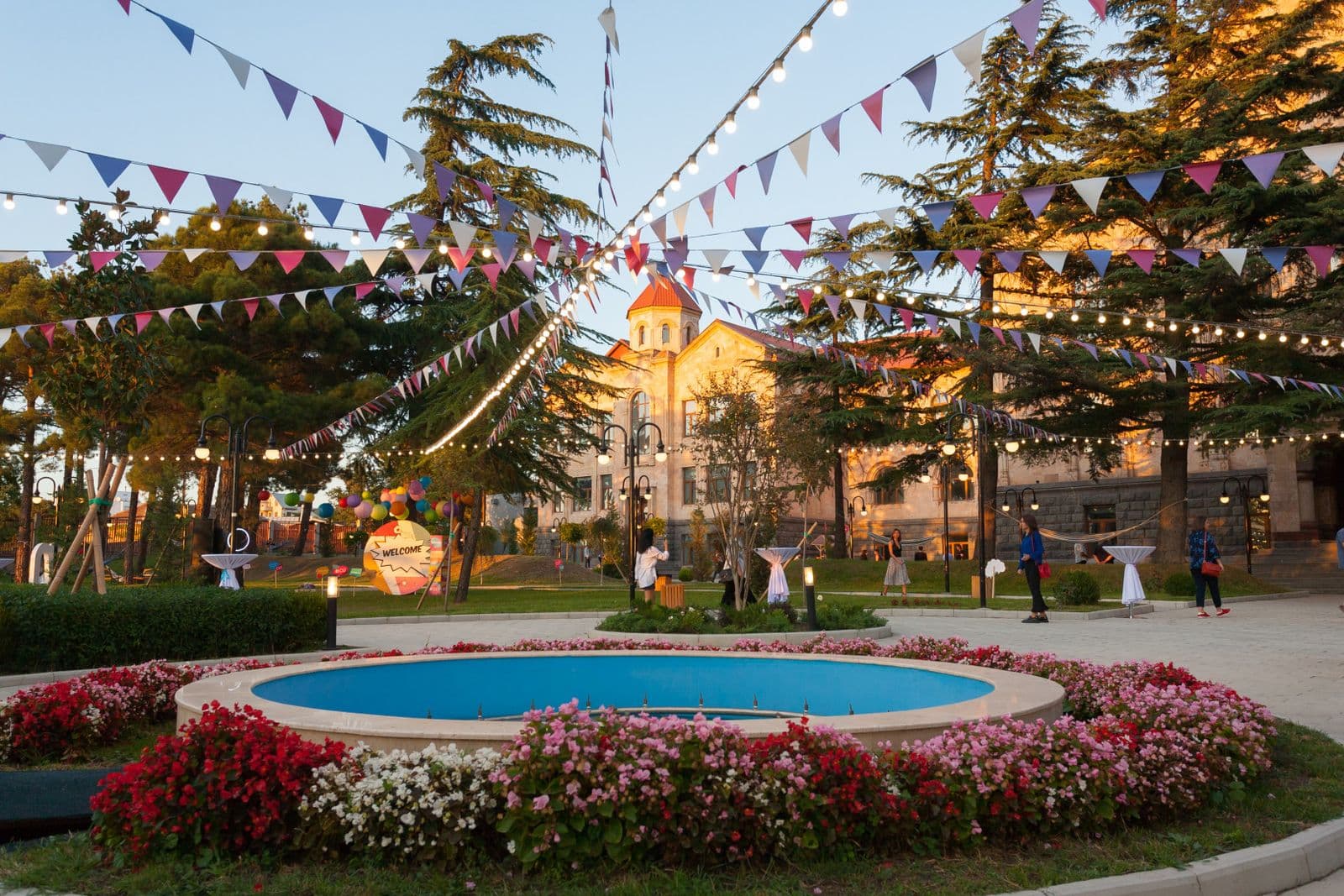
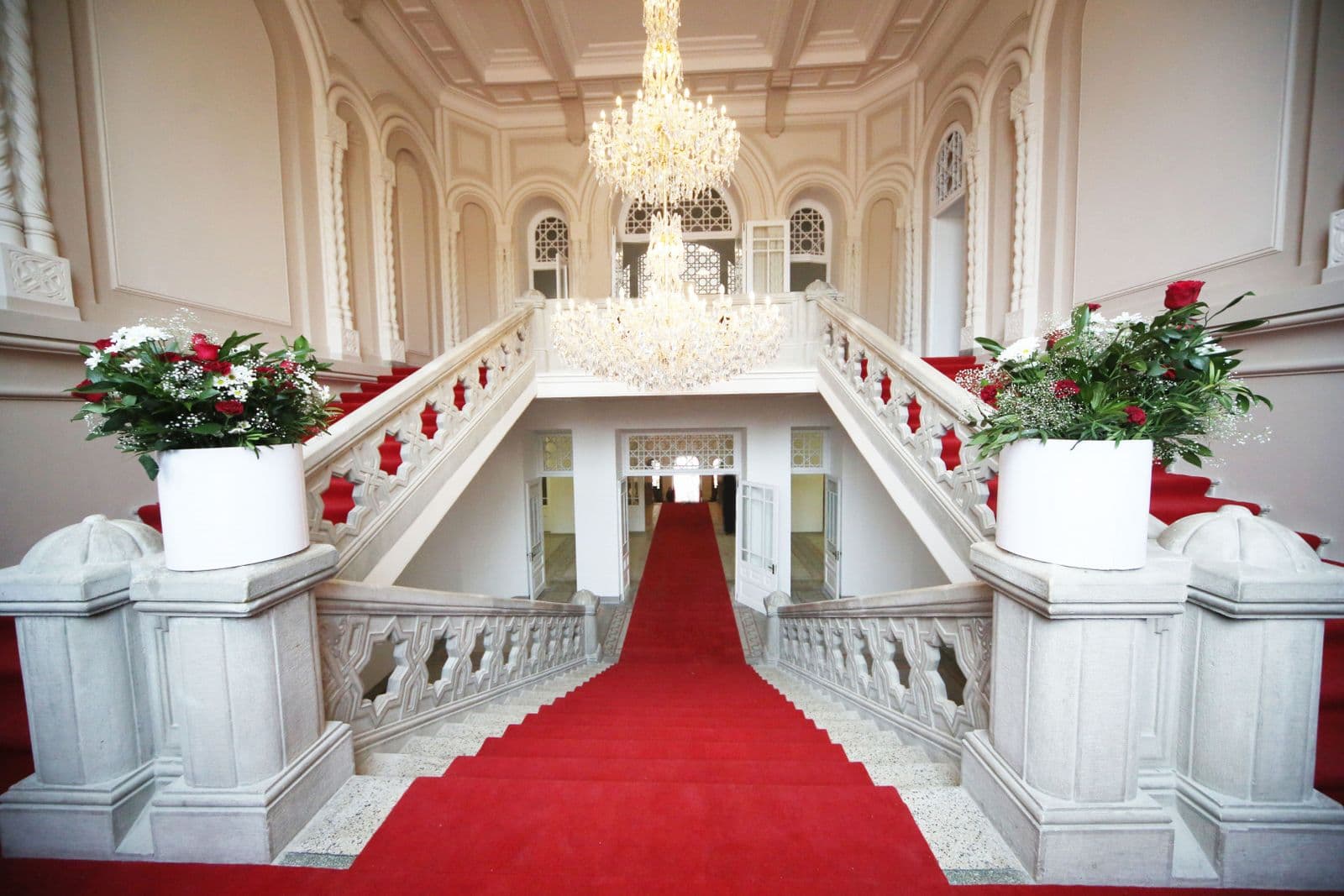
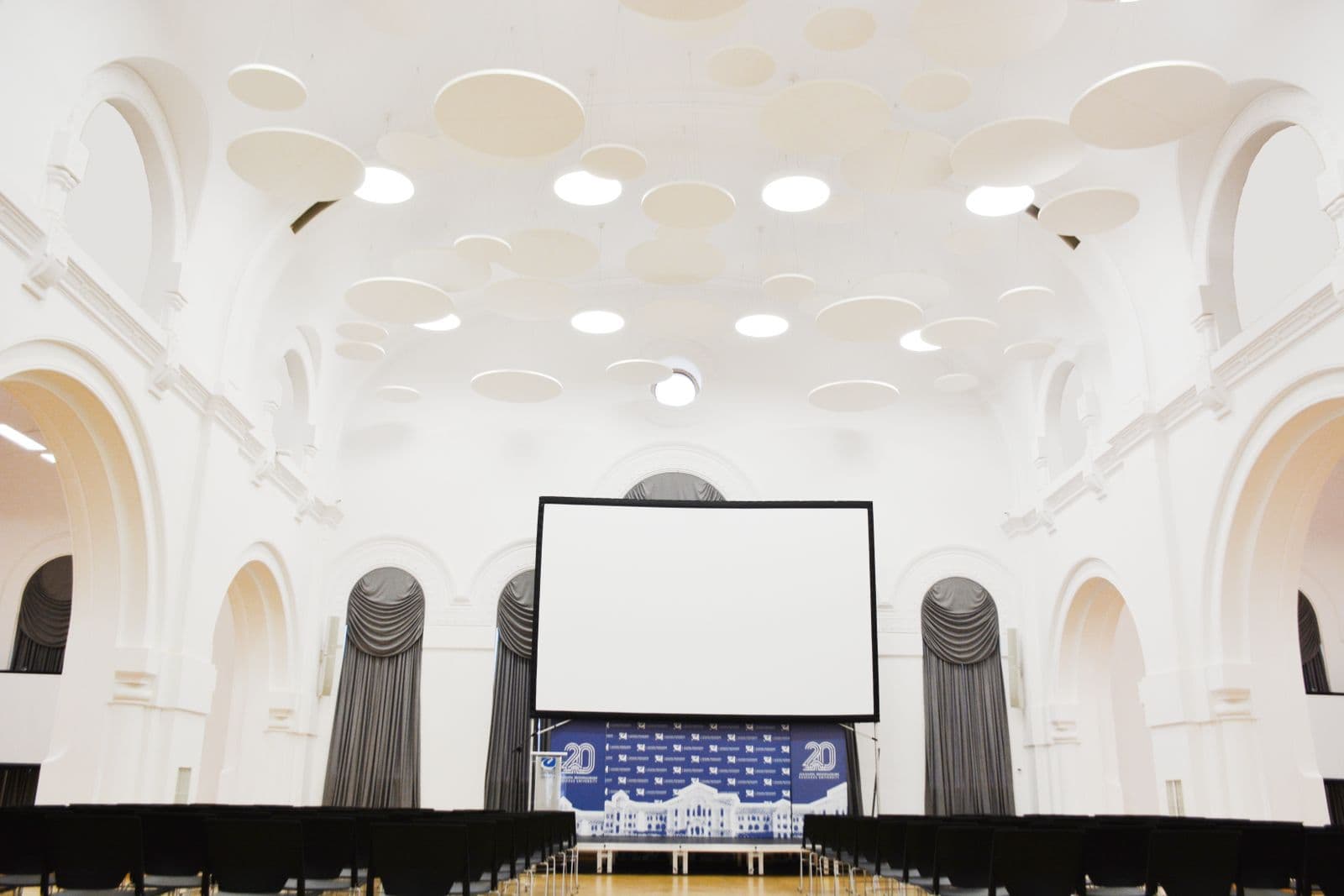
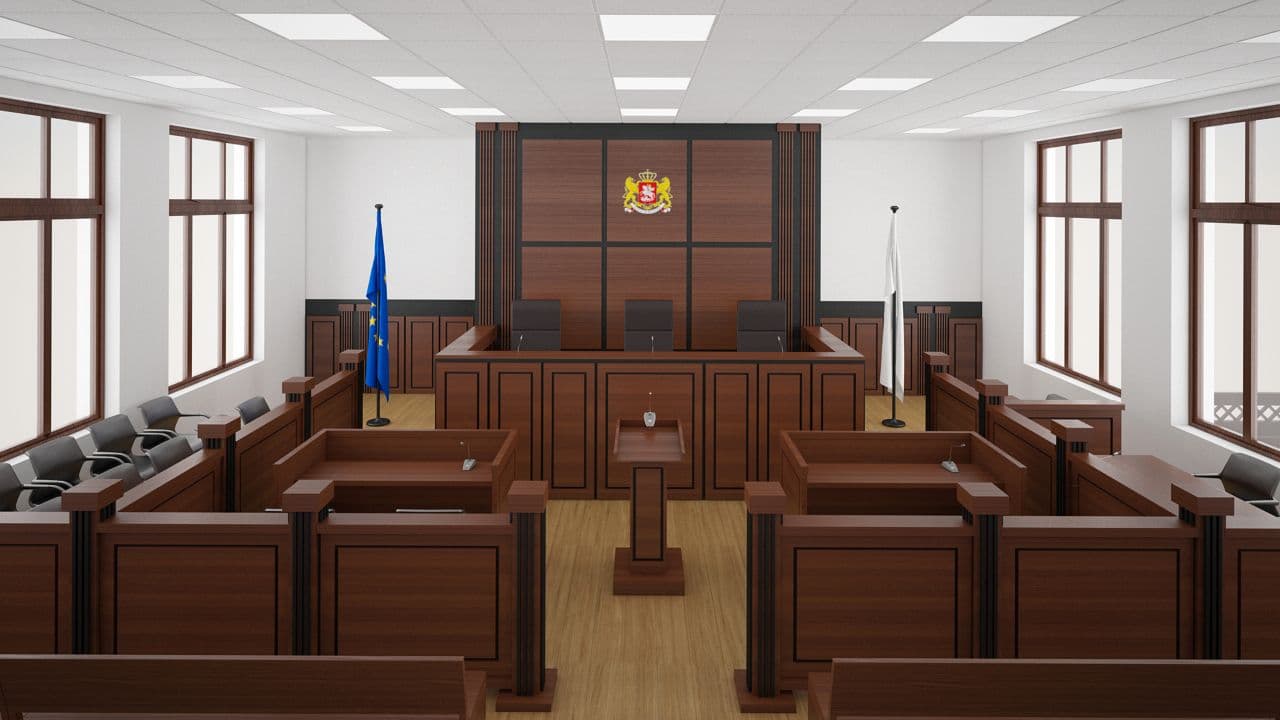
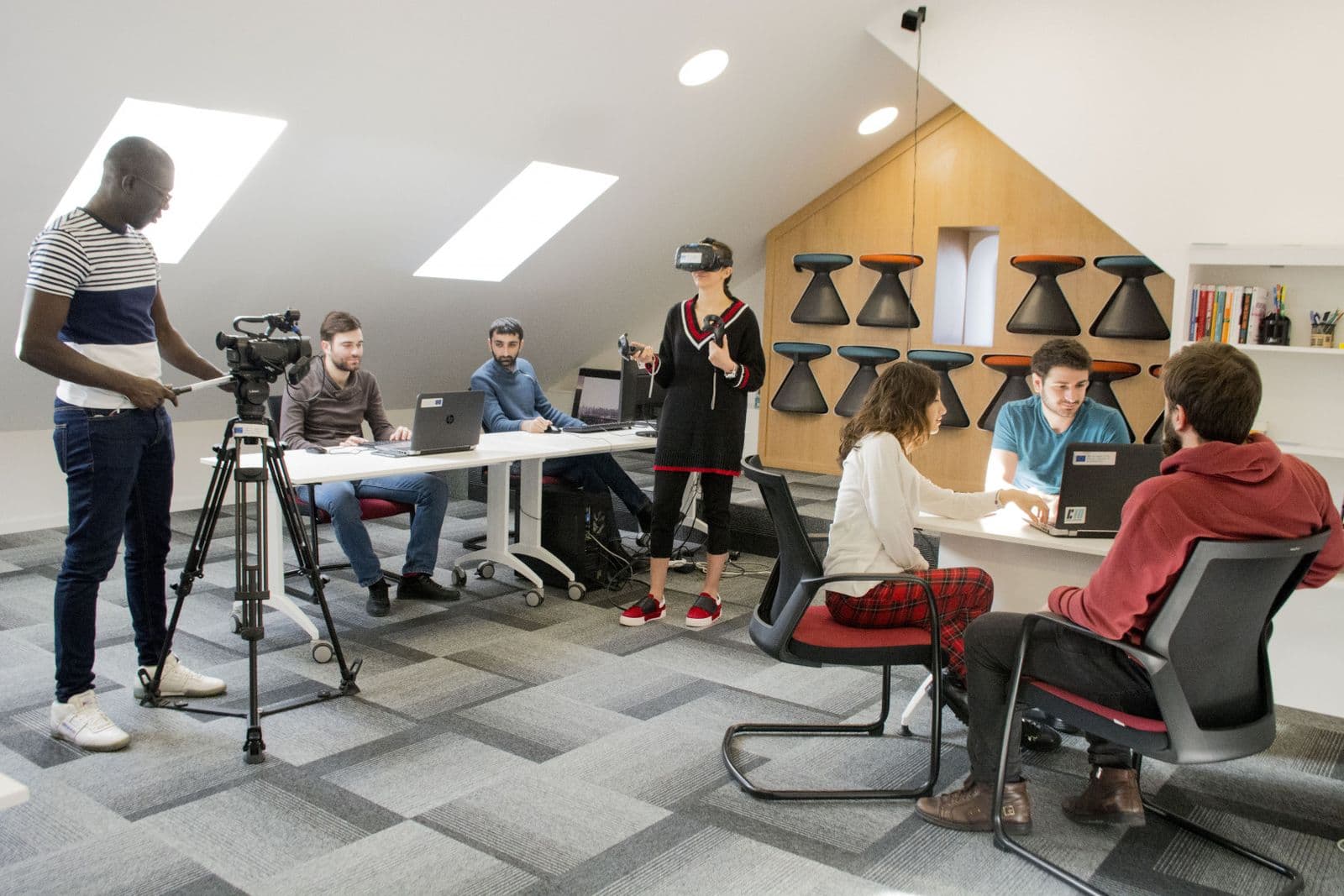
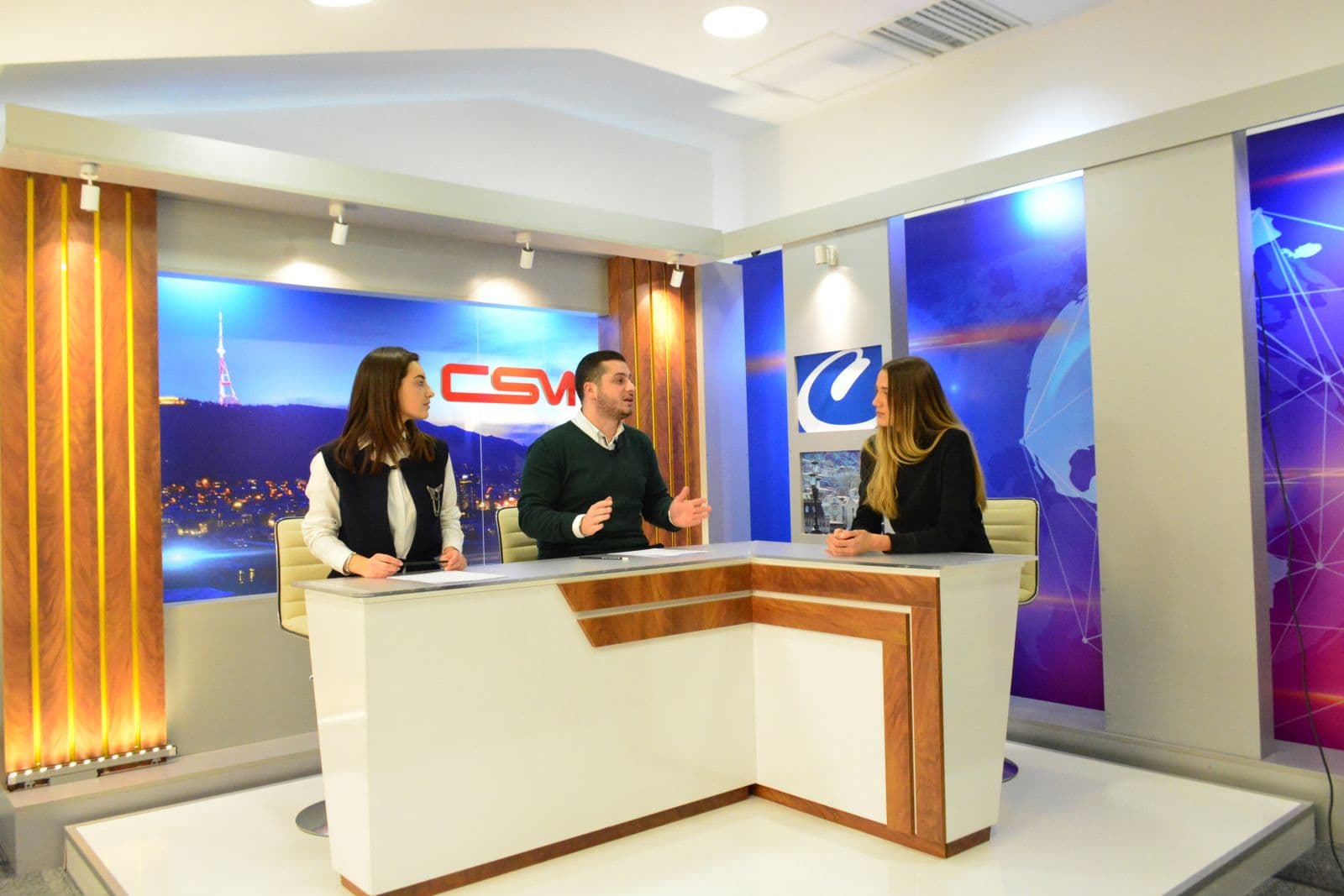
Facilities described below come from CU's own documents and from independent review reports, listed under Sources. Each photograph is credited to its owner in its caption.
Accommodation
CU does not advertise its own dormitory. Its International Relations office helps international students find housing, and most rent shared apartments in Tbilisi. CU's campus page suggests bus 28 or a walk of about 30 minutes from Marjanishvili. Ask for current housing options and typical rents in writing.
Lifestyle
Tbilisi is Georgia's capital and by far its largest city, with over a million residents. Most of the country's English-taught medical, dental and business programmes are based here, so it has the biggest international student community, the widest choice of housing and the best-connected hospitals.
CU is a city campus in a historic building, with a cafeteria, a literary café and a sports arena on site. It is a large university, and international students study and socialise alongside a mostly Georgian student body.
CU's 2025 brochure reports 99 exchange programmes and 300 partner universities worldwide, and it has an International Relations office for international students. Medical students spend their later years in partner clinics around Tbilisi.
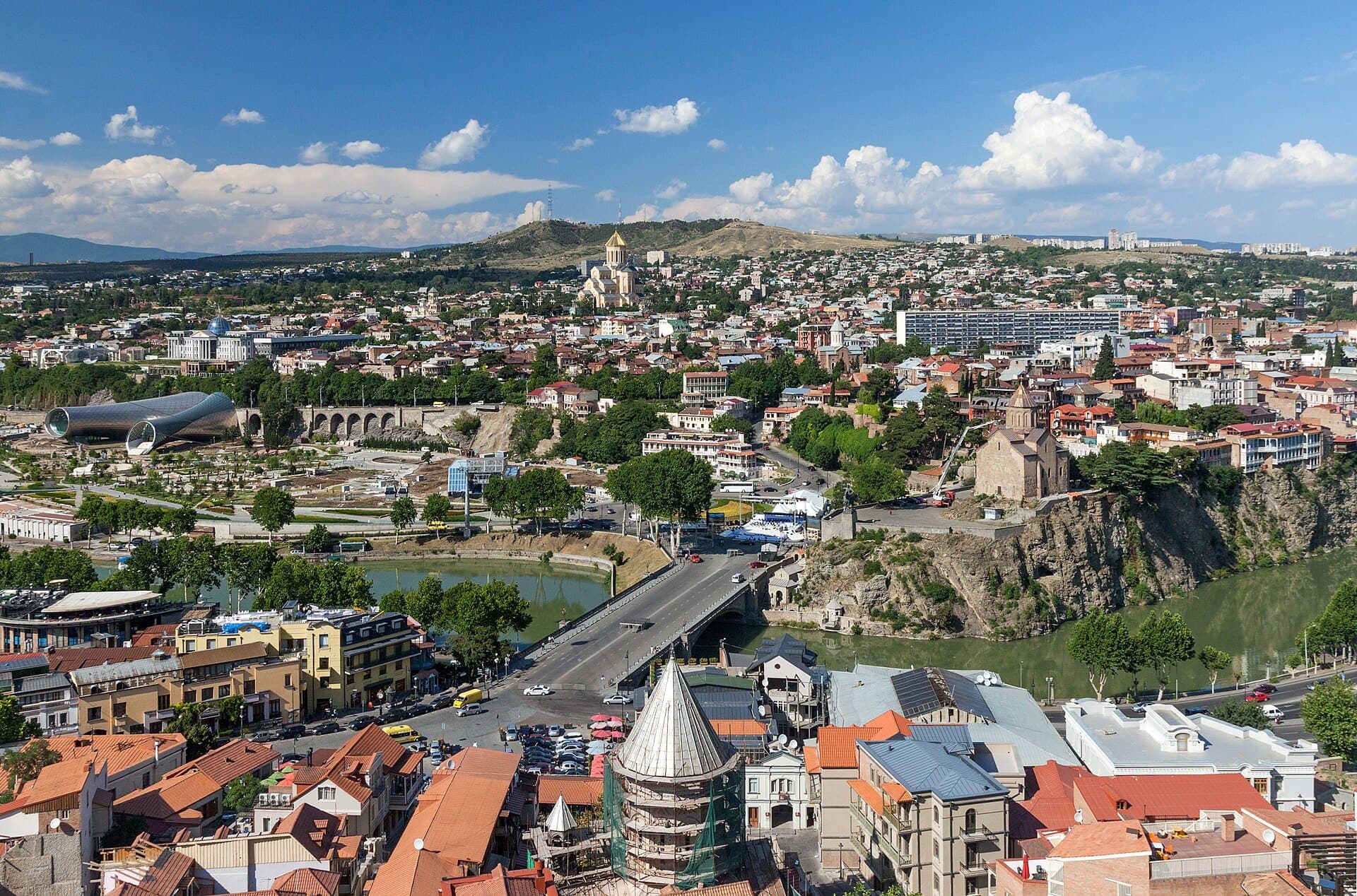
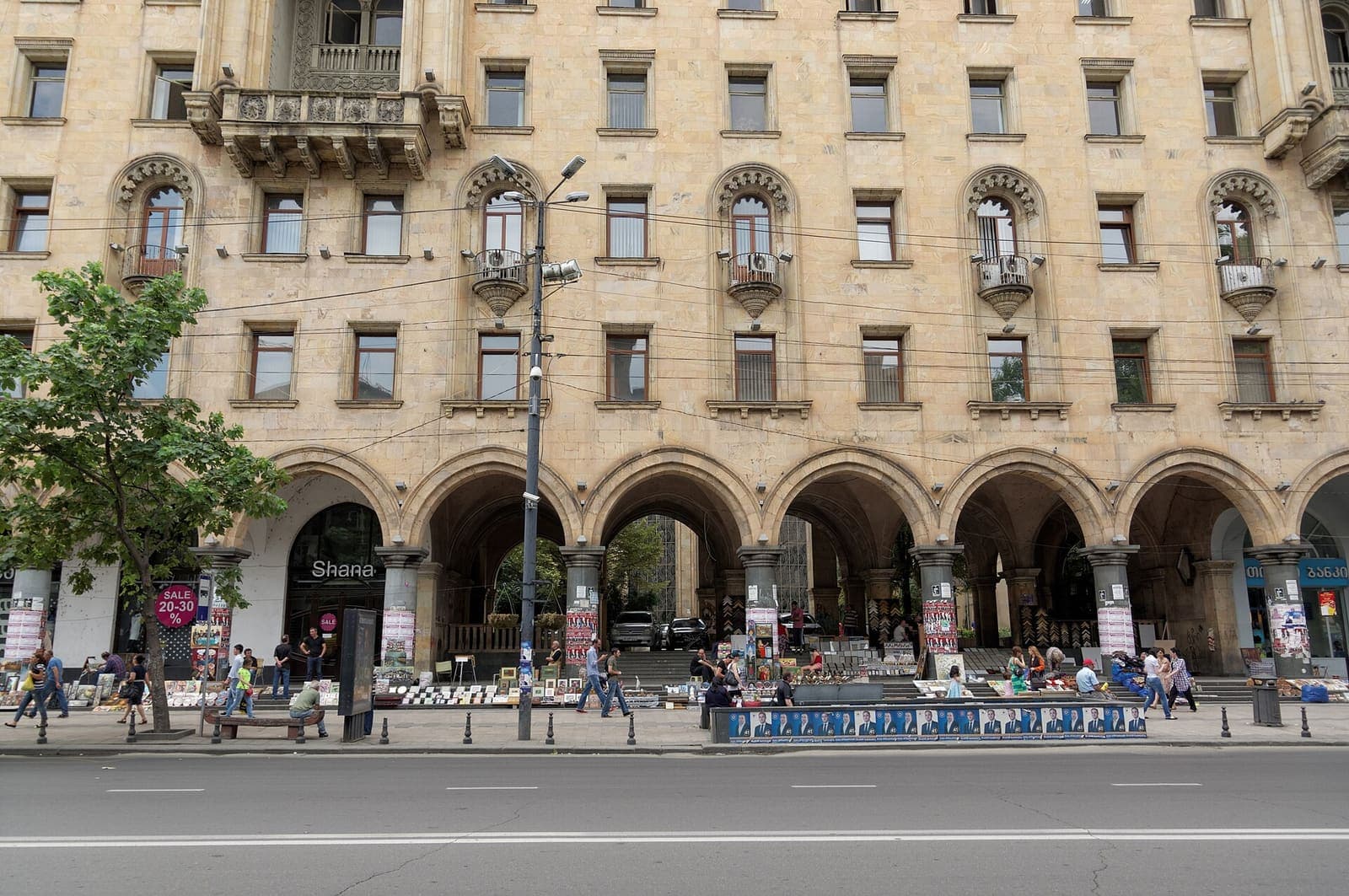
More on daily life, costs and safety in our student life in Georgia guide.
Fit
Best for: Students who want an MD or a business, IT or design degree at a large private Tbilisi university with Western partner programmes and a published English fee list.
FAQ
CU lists US$6,000 a year for the six-year MD. Its 2025 international brochure lists US$5,000 to US$5,500 a year for English Bachelor's and Master's programmes such as Business Administration, Computer Science and AI, Cybersecurity, Architecture and the MBA. Confirm the current schedule in writing.
Yes. The Medical Doctor programme is taught in English over six years (12 semesters, 360 ECTS credits) and is built on World Federation for Medical Education standards, according to CU.
CU does not advertise one. Its International Relations office helps students find housing, and most international students rent shared flats in Tbilisi. Confirm the current arrangements in writing.
CU is authorised and its programmes are accredited by NCEQE. The April 2023 MD list shows the English MD accredited until 31 December 2027. Whether your degree is recognised in your own country is decided by your home regulator, so check it for your exact programme.
No. They are two separate private universities in Tbilisi. Caucasus University (CU) is at 1 Paata Saakadze Street and was established in 2004 on the base of the Caucasus School of Business. Caucasus International University (CIU) is at 73 Chargali Street and was founded in 1995. Programmes and fees differ, so check which one a quote refers to. See our CIU vs CU vs NVU comparison.
At the published US$6,000 a year, six years of MD tuition is US$36,000 before living costs, visa, insurance and any fee change. Confirm the fee in writing and ask whether it is fixed for the whole programme.
Your own regulator decides whether you can practise, not CU and not us. NCEQE's April 2023 list shows CU's English MD accredited until 31 December 2027, but recognition in your home country is a separate decision. For Nepal, check Nepal Medical Council rules. For India, check the National Medical Commission's current rules for foreign medical graduates, including NEET for Indian applicants.
CU's 2025 brochure lists English Bachelor's programmes in Business Administration, Computer Science and AI, Cybersecurity, Architecture and Graphic Design, and Master's programmes in Business Administration (MBA) and IT Management, at US$5,000 to US$5,500 a year.
CU is at 1 Paata Saakadze Street, Tbilisi 0102, Georgia. CU's campus page suggests bus 28, or a walk of about 30 minutes from Marjanishvili.
Contact BRS Global Education. You do not apply to CU yourself: we prepare and submit your application. CU says its Student Registration Office issues a pre-acceptance letter in about a week, after which your translated and notarised documents go to NCEQE, which CU says reviews them within about a month.
Compare
Tbilisi · Private
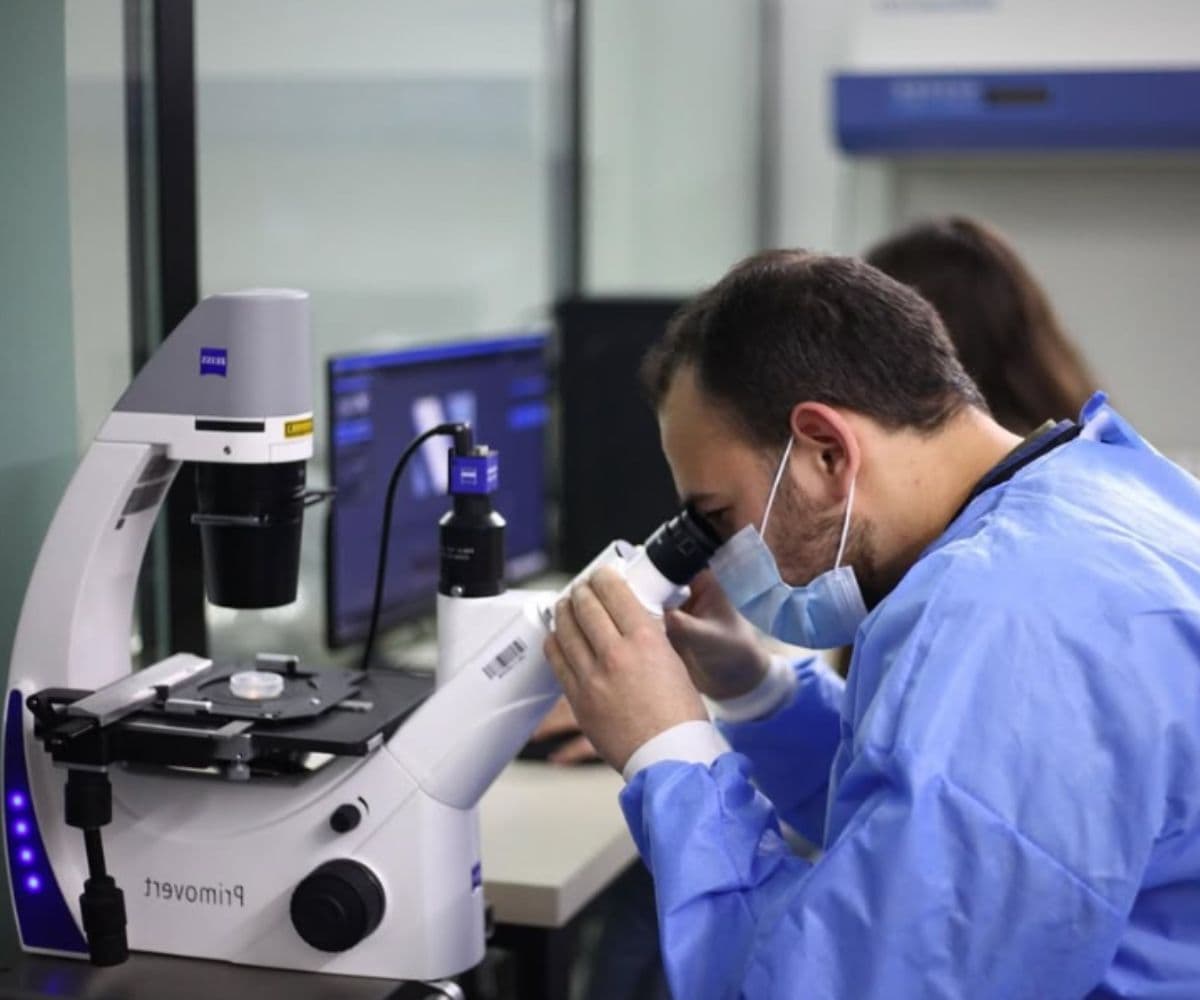
A Tbilisi private university with a clinical skills centre, dental clinics and published English fees.
Tbilisi · Private
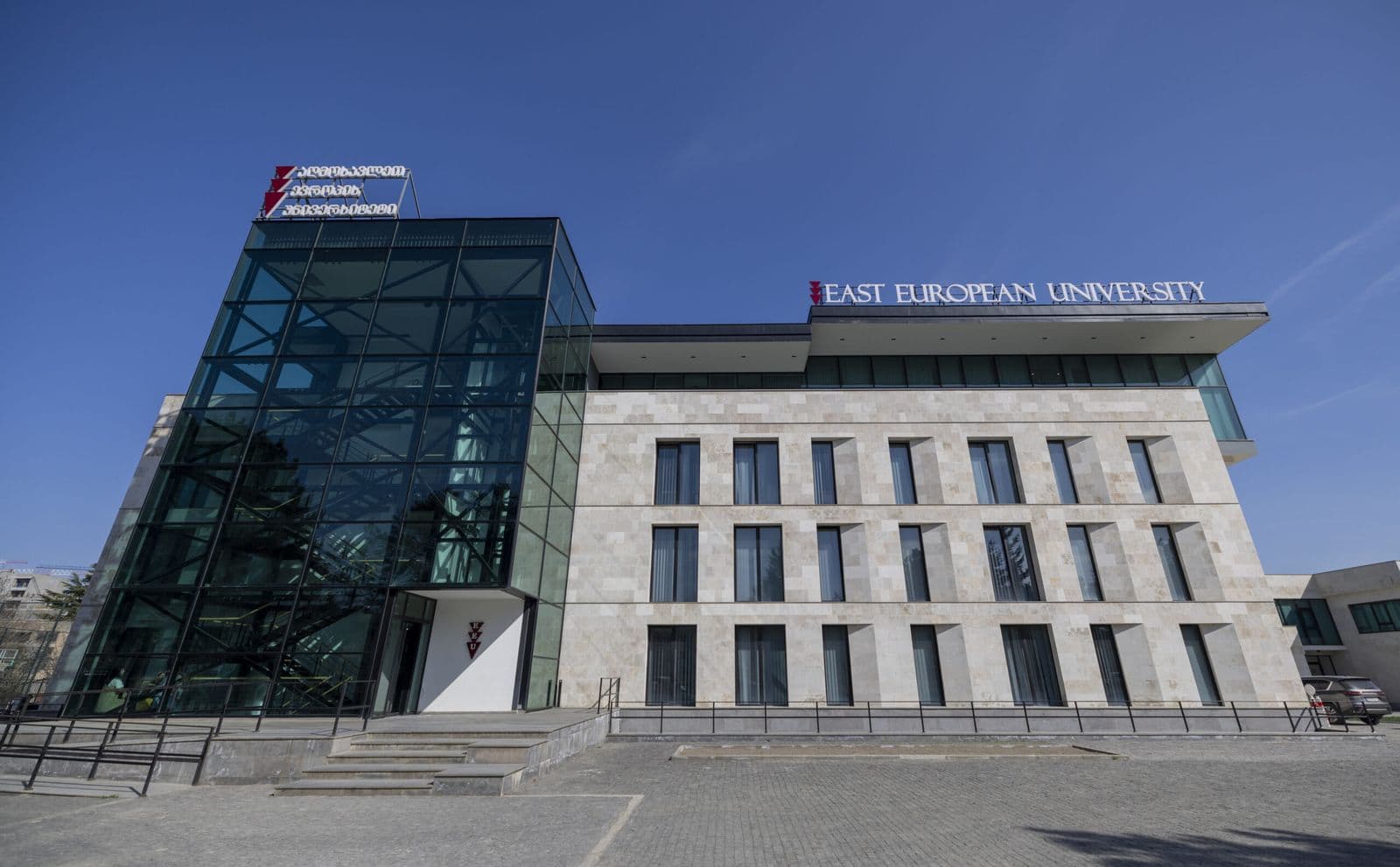
A private non-profit Tbilisi university with a university hospital and English MD, dentistry and health programmes.
Tbilisi · Private
A private Tbilisi university with an English MD, nursing and business degrees, a clinical skills centre and a university hospital.
Last reviewed 31 October 2026. BRS Global Education is an independent consultancy, not affiliated with or endorsed by Caucasus University. Fees, accreditation and admission rules change, so verify the current position with the university and the relevant regulator before you apply or pay.
Contact us and we handle your application. Tell us your marks, budget and country, and we will tell you honestly whether CU fits, what it will cost in total and which approvals you need first.